
Stop the Sharp, Electric Facial Pain
Trigeminal neuralgia is often linked to jaw position and nerve compression. Dr. Sid Solomon identifies the mechanical triggers behind facial nerve attacks and provides treatment that corrects the structural causes rather than simply managing pain episodes.
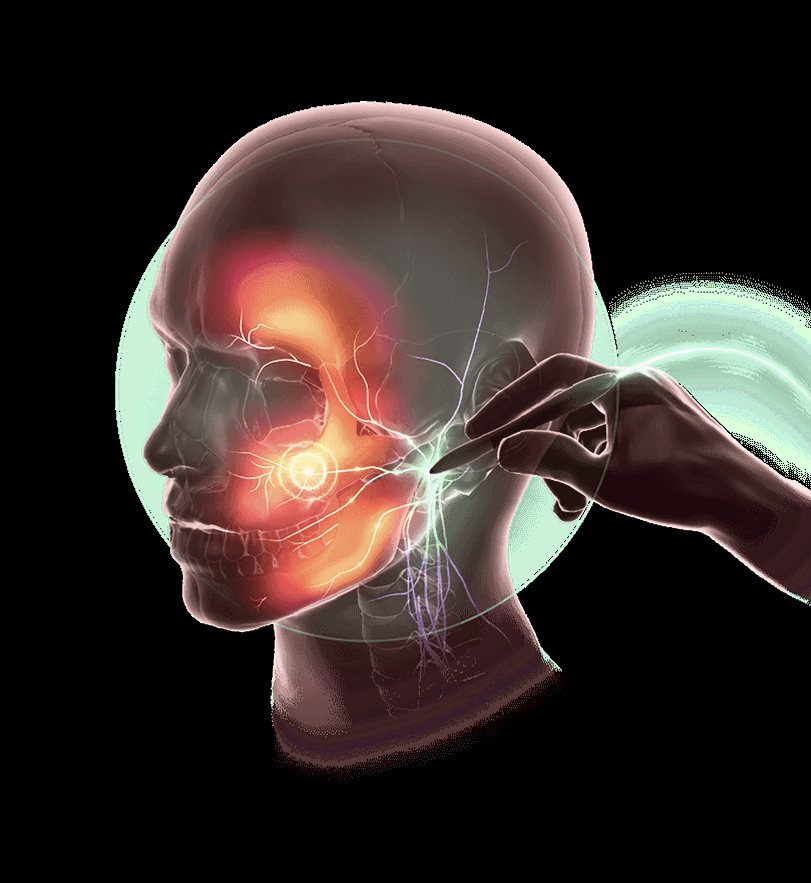
Understanding Trigeminal Neuralgia and Jaw Mechanics
Trigeminal neuralgia produces sudden, severe facial pain that feels like an electric shock. Many patients describe it as one of the most intense pain experiences imaginable. While neurologists commonly attribute the condition to nerve irritation or blood vessel contact, jaw mechanics play a larger role than most people realize.
The trigeminal nerve has three branches that pass through areas heavily influenced by jaw position, muscle tension, and bite alignment. When your bite is off center or jaw muscles stay chronically tight, pressure builds along these nerve pathways. Even small shifts in jaw position can compress the nerve at vulnerable junctions and trigger electric shock sensations.
Many patients visit Dr. Solomon after medications lose effectiveness or cause side effects they cannot tolerate. Some have even been advised to consider surgical procedures that carry significant risks. What they often discover is that correcting jaw dysfunction reduces nerve compression. Once pressure is relieved, facial pain episodes decrease in both frequency and intensity. This approach does not mask pain; it removes the mechanical source of the irritation.
How Dr. Solomon Diagnoses the Jaw Connection
Dr. Solomon uses advanced K7 neuromuscular diagnostics to track jaw movement and pinpoint where compression occurs along the trigeminal nerve. This detailed mapping shows exactly how your bite, muscle activity, and jaw position affect nerve pathways.
His comprehensive evaluation includes:
Treatment focuses on relieving the mechanical pressure identified during diagnostics. Some patients benefit from precise orthotic therapy that repositions the jaw and removes tension from trigeminal nerve branches. Others require muscle rebalancing to reduce strain that irritates the nerve. Each treatment plan is customized to address the exact mechanics driving your pain instead of relying on a one size fits all approach.
What to Look For
Real Cases of TMJ-Related Facial Pain Relief
Facial nerve pain often develops after years of jaw strain that patients never recognized. Many are told medication or surgery is the only path forward. These cases show how correcting jaw mechanics can calm nerve irritation and restore daily comfort without extreme interventions.
Case Study 1: Seven Years of Facial Shocks
Patricia, a 52 years old teacher, lived with sharp cheek pain triggered by light touch, speaking, and brushing her teeth. Medications brought minimal relief and produced side effects she could not tolerate. Before committing to surgery, she searched for another explanation.
Dr. Solomon found heavy pressure on one side of her bite, overactive jaw muscles, and slight jaw deviation irritating the trigeminal nerve on her painful side. Imaging confirmed the mechanical imbalance. A neuromuscular orthotic reduced pressure and allowed the irritated nerve to calm.
Within six weeks, her attacks became rare and significantly less intense. Three months later, she went days without symptoms and avoided surgery completely.
Case Study 2: Pain That Ended a Career
David, a 41-year-old chef, developed severe facial pain that made working in a hot kitchen impossible. Heat, stress, and constant tasting triggered attacks that forced him onto disability leave. Multiple medications provided inconsistent relief.
During evaluation, Dr. Solomon noted a significant jaw shift and extreme tension around the affected nerve branch. TMJ scans showed a clear mechanical imbalance causing nerve irritation. Orthotic therapy combined with guided muscle treatment produced relief within the first month.
Over time, his episodes became less frequent and more manageable. After six months, he returned to part-time work. One year later, he works full-time again with stable, controlled comfort.
The Biomechanics of Nerve Compression
Your trigeminal nerve exits the brainstem and divides into three branches: ophthalmic, maxillary, and mandibular. The mandibular branch passes directly through the temporomandibular joint area and provides sensation to the jaw, lower teeth, and much of the lower face. When the TMJ shifts even slightly, it alters the space these nerve branches occupy.
Muscle tension adds more pressure.
The lateral pterygoid attaches near the mandibular nerve branch and creates direct compression when it stays chronically contracted. The masseter and temporalis muscles, when overworked from clenching or bite imbalance, produce additional force that irritates nerve pathways throughout the face.
Dr. Solomon understands these anatomical relationships because he has studied jaw mechanics for thirty-eight years. He knows which muscle patterns correspond to specific nerve pain presentations. This knowledge guides his treatment decisions. Releasing the correct muscles often stops nerve pain episodes that medication has never touched. Correcting bite position restores space for compressed nerves to function normally again.
Relief From Debilitating Facial Pain Starts Here
Based on the clinical experience of Dr. Sid Solomon, who has treated neuromuscular and facial nerve pain conditions for more than three decades in Los Angeles.
How Jaw Problems Trigger Nerve Pain Episodes
The link between jaw mechanics and trigeminal neuralgia involves several overlapping factors that place pressure on nerve pathways. Understanding these mechanisms explains why correcting jaw dysfunction often provides relief when medications or surgical consultations fail.
In Detail
Misaligned jaw position reduces the space nerve branches must travel through. This physical compression irritates the trigeminal nerve and makes it hypersensitive to normal stimulation, triggering the electric shock sensations characteristic of neuralgia.
Overactive jaw and facial muscles create continual pressure on nerve branches. Tight muscles restrict blood flow and increase nerve sensitivity, lowering the threshold for pain episodes.
Inflamed TMJ tissues swell and push against nearby nerve structures. This inflammation disrupts normal nerve signaling and can trigger spontaneous pain episodes even without obvious triggers.
Uneven bite forces concentrate pressure on one side of the jaw. This asymmetric loading stresses facial nerve pathways and can provoke pain episodes during routine activities like eating, speaking, or even smiling.
Recognizing TMJ Related Nerve Pain Patterns
Dr. Solomon identifies specific patterns in trigeminal neuralgia cases linked to jaw dysfunction. At Time To Smile in Los Angeles, these patterns help determine whether neuromuscular treatment can provide meaningful relief. Not every case of trigeminal neuralgia comes from jaw problems, but when it does, certain signs appear consistently.
In Detail
Neuralgia that starts or worsens with chewing, talking, smiling, or opening your mouth wide strongly indicates mechanical involvement. This type responds particularly well to bite correction because reducing jaw stress eliminates the primary trigger.
Unilateral facial pain often correlates with asymmetric jaw mechanics. When one side of the jaw carries more force or sits in a different position, resulting nerve compression typically affects that same side of the face.
New or intensified neuralgia after extractions, crowns, fillings, or orthodontic work suggests that bite changes triggered the nerve irritation. Dr. Solomon evaluates how the dental procedure shifted jaw alignment and corrects the imbalance.
When facial nerve pain occurs along with jaw clicking, popping, limited opening, headaches, or facial tension, jaw dysfunction is almost certainly involved. These overlapping symptoms indicate that treating the jaw will likely reduce nerve pain significantly.
Trigeminal neuralgia that does not respond well to anticonvulsants or nerve medications often has a strong mechanical component. When drugs fail, jaw correction frequently provides relief that medication alone cannot achieve.
Episodes that intensify during stress reflect increased muscle tension affecting the trigeminal nerve pathways. Patients with stress-aggravated pain typically have substantial muscle involvement that responds well to neuromuscular therapy.
Why Choose Dr. Solomon for Trigeminal Neuralgia in Los Angeles
Successful trigeminal neuralgia treatment requires ongoing management to prevent symptoms from returning. At Time To Smile, Dr. Solomon creates long term protocols tailored to your jaw mechanics, muscle patterns, and nerve sensitivity. Most patients schedule check ups every six months for bite evaluations and orthotic adjustments, though early phases may require more frequent monitoring.
Continued surveillance prevents painful episodes from returning. Jaw position can shift slowly due to aging, dental work, stress, or clenching habits. Regular evaluations detect these changes before nerve compression reappears. Some patients need continued orthotic wear, while others transition to nighttime wear once their condition stabilizes. Dr. Solomon adjusts your care plan based on how your symptoms respond.
He remains accessible between visits if pain worsens or new symptoms develop. Early intervention prevents minor flare ups from becoming major relapses. His ongoing support ensures your relief remains stable over years, not just months.
Ongoing Nerve Pain Care Includes
Bite Stability Checks
Evaluations every six months to monitor jaw position and detect changes before nerve compression returns.
Orthotic Refinement
Modifications to your neuromuscular appliance as your bite adapts, maintaining nerve decompression and preventing recurring pain episodes.
Muscle Management
Periodic treatment for tension that accumulates despite improved jaw alignment, protecting nerve pathways from compression.
Trigger Identification
Analysis of habits or activities that provoke symptoms, with strategies to minimize nerve irritation and prevent flare ups.
Common Questions About Trigeminal Neuralgia Treatment
Most patients begin noticing fewer or less intense neuralgia episodes within six to ten weeks of starting neuromuscular orthotic therapy. Complete relief typically develops within four to six months as irritated nerve branches recover from chronic compression. Dr. Solomon tracks your progress closely at each visit and adjusts treatment if improvement does not follow expected patterns.
Any medication changes must be coordinated with your neurologist. Many patients gradually lower their dosage as jaw correction relieves nerve compression, but this process is slow and medically supervised. Dr. Solomon communicates with your physicians to ensure safe and appropriate transitions.
Previous nerve procedures do not prevent TMJ based treatment from helping. Many patients find that correcting jaw mechanics reduces the residual nerve pain that surgery never fully resolved. Dr. Solomon evaluates whether jaw dysfunction continues to contribute to your symptoms regardless of past interventions.
If jaw misalignment caused your trigeminal neuralgia, maintaining proper jaw position helps prevent recurrence. Some patients continue using an orthotic full time, while others maintain results with nighttime wear once the bite stabilizes. Regular monitoring catches early changes before nerve compression returns.
Coverage varies by provider and plan. Time To Smile supplies detailed documentation of medical necessity for insurance submission. Many patients receive partial coverage when treatment addresses diagnosed TMJ dysfunction affecting trigeminal nerve pathways.
Patient Experiences With Nerve Pain Relief
I lived with shocking facial pain for four years. Medications helped a little but made me exhausted. Dr. Solomon discovered my bite was compressed on the same side as my pain. After two months with the orthotic, episodes went from daily to weekly. Now I go months without an attack. My neurologist is amazed.
The pain was so intense I considered having part of my nerve destroyed. Dr. Solomon explained that my jaw was causing the compression. I was skeptical but desperate. Six months later, I barely remember what those attacks felt like. The orthotic corrected something medication never could.
Three different medications, side effects with all of them, and the pain still broke through. Dr. Solomon’s testing showed severe muscle tension compressing my nerve. Treating my jaw mechanics changed everything. I weaned off two medications completely and kept one at a low dose. My pain is ninety percent better.
Watch a Real Case
One of Dr. Solomon's own patients, in their own words.
Calming trigeminal neuralgia through bite alignment
Stop Living With Facial Nerve Attacks
Don't accept trigeminal neuralgia as a permanent condition requiring lifelong medication or risky surgery. Dr. Solomon's neuromuscular approach addresses the jaw mechanics that compress facial nerves. Find out if your nerve pain stems from a correctable structural problem.