
Get Relief From Persistent Ringing and Ear Discomfort
Tinnitus often stems from jaw misalignment and muscle tension rather than ear damage. Dr. Sid Solomon identifies the mechanical causes behind ear ringing and provides targeted neuromuscular treatment that corrects the source instead of masking symptoms.
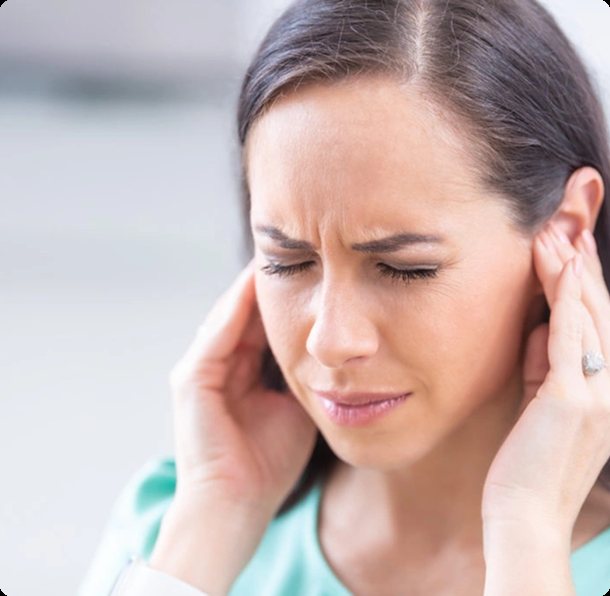
What TMJ Related Tinnitus Really Means
Tinnitus appears as ringing, buzzing, or humming in the ears with no external sound source. Many patients assume it comes from hearing loss, yet the temporomandibular joint sits just millimeters from the inner ear. When your jaw shifts out of position, it creates pressure on nerves and soft tissues that directly influence auditory pathways.
Dr. Solomon examines the relationship between jaw mechanics and ear symptoms using advanced diagnostics. By mapping bite misalignment, muscle strain, and TMJ tension, he identifies how mechanical irritation contributes to tinnitus. Many patients find relief once the underlying jaw dysfunction is corrected, something ear specialists often miss because they evaluate only auditory structures.
This connection between TMJ disorders and tinnitus is well documented but frequently overlooked. Patients who have tried medications, hearing aids, or traditional ENT treatments often discover that their tinnitus originates from mechanical problems in the jaw. Correcting these issues can reduce or eliminate symptoms that seemed untreatable.
How Dr. Solomon Identifies Tinnitus Causes
Dr. Solomon uses precise neuromuscular diagnostics, including K7 jaw tracking, to map muscle activity and jaw position before creating a treatment plan. This determines whether TMJ dysfunction is contributing to your tinnitus.
His evaluation includes:
TMJ Tinnitus Treatment targets the specific mechanical dysfunction creating your symptoms. Some patients require bite correction using a custom orthotic. Others benefit from muscle rebalancing, posture correction, or both. Every treatment plan is personalized based on objective findings rather than generic tinnitus protocols.
What to Look For
The Science Behind TMJ and Tinnitus
The close proximity of the TMJ to the middle and inner ear creates several direct mechanical connections. The chorda tympani nerve passes through the middle ear and links to jaw structures. The auriculotemporal nerve, a branch of the trigeminal nerve, innervates both the TMJ and areas around the ear canal. When jaw position shifts, these shared nerve pathways send altered signals that the brain interprets as sound.
Muscle tension also plays a significant role. The tensor tympani and tensor veli palatini muscles attach near the jaw and influence Eustachian tube function. When these muscles remain tight from TMJ dysfunction, they disrupt middle ear pressure and contribute to tinnitus perception.
Dr. Solomon understands these interconnected structures and uses this knowledge to guide treatment. Reducing pressure on shared nerve pathways often eliminates the phantom sounds patients hear. This mechanical approach succeeds when traditional ear-focused treatments fail because it corrects the true source of irritation.
Case Study 1: Ringing That Would Not Stop
Maria, a 46 years old accountant, lived with constant high pitched ringing in her left ear. She saw multiple ENTs, tried decongestants, diet changes, supplements, and white noise apps. Nothing made a difference. She noticed the ringing became louder at night and intensified whenever her jaw felt tight or fatigued.
During her evaluation, Dr. Solomon identified a strained bite, overactive jaw muscles, and a restricted temporomandibular joint on the same side as her tinnitus. He fitted her with a precise neuromuscular orthotic and began gentle muscle rehabilitation to release chronic tension.
Within three weeks, the ringing softened. By her sixth week, the pitch fluctuated less and her jaw felt looser with fewer spasms. Today, Maria reports long stretches of quiet, reduced headaches, and a calmer, more predictable day to day routine.
Case Study 2: Years of Misdiagnosed Ear Noise
Daniel, a 34-year-old film editor, dealt with intermittent buzzing for nearly eight years. Audiology tests were always normal, which left him frustrated and without answers. His symptoms spiked after long editing sessions or stressful deadlines. During his consultation, Dr. Solomon noticed his jaw deviated on opening and his chewing muscles were fatigued from chronic clenching.
A detailed TMJ scan confirmed a mechanical imbalance affecting structures near his ear. After starting neuromuscular orthotic therapy and guided muscle recovery, Daniel noticed changes within the first month. His ear felt less full, the buzzing eased, and his concentration improved. He says the relief feels “like someone finally turned down the volume on my life.”
How Jaw Dysfunction Creates Tinnitus Symptoms
The temporomandibular joint shares nerve pathways, blood flow patterns, and muscular connections with the inner ear. When the jaw shifts forward, backward, or to the side from its optimal position, it alters pressure on these structures. This mechanical stress can trigger ringing, buzzing, humming, or whooshing sounds commonly associated with tinnitus.
In Detail
Misaligned jaw position puts pressure on the trigeminal nerve and other nerve branches involved in auditory perception. This compression sends distorted signals that the brain interprets as phantom sounds.
Chronic muscle strain in the jaw, neck, and shoulders restricts circulation and affects nerve function near the ear. Tight muscles refer tension into the ear canal and disrupt normal sensory processing.
Inflamed TMJ tissues swell and press against nearby structures, including the Eustachian tube and auditory nerve branches. This inflammation disrupts pressure regulation and creates persistent noise perception.
Forward head posture and cervical misalignment alter the way forces distribute through the jaw and TMJ. These postural stresses increase muscle tension and worsen tinnitus symptoms over time.
Common Tinnitus Patterns Linked to TMJ Dysfunction
Dr. Solomon sees consistent tinnitus patterns in patients with jaw and bite issues. At Time To Smile in Los Angeles, these patterns help determine whether TMJ treatment can provide meaningful relief. Not every case of tinnitus is caused by jaw dysfunction, but when it is, the symptoms follow predictable and recognizable patterns.
In Detail
Tinnitus that changes in pitch or intensity when you open your mouth, clench your teeth, or move your jaw laterally strongly suggests mechanical involvement. This type responds well to neuromuscular bite correction and muscle therapy.
Unilateral tinnitus often correlates with asymmetric jaw function. When one side of the jaw carries more force or sits at a different angle, the resulting nerve irritation usually affects only one ear.
New or worsened tinnitus after crowns, fillings, extractions, or orthodontics indicates that bite changes may have triggered the symptoms. Dr. Solomon evaluates whether recent dental procedures shifted your jaw position and corrects the resulting imbalance.
When tinnitus appears alongside TMJ pain, jaw tension, or frequent headaches, jaw dysfunction is almost always involved. These overlapping symptoms show widespread muscle strain and joint compression affecting multiple nerve pathways.
Stress increases muscle tension in the jaw and neck. If your tinnitus becomes louder or more noticeable during stressful periods, muscle related TMJ dysfunction is likely contributing. Reducing jaw tension through targeted therapy often improves symptoms significantly.
Tinnitus that varies from day to day often reflects changing muscle tension, postural shifts, and jaw position changes. Consistent treatment that stabilizes the bite typically leads to more predictable relief.
Get Relief From Constant Ear Noise Today
Based on the clinical perspective of Dr. Sid Solomon, recognized for his long-standing work in TMJ-related tinnitus.
Post Treatment Care for Lasting Tinnitus Relief
Tinnitus relief requires consistent follow up to maintain long term results. At Time To Smile, Dr. Solomon provides ongoing care tailored to your jaw mechanics and symptom patterns. Most patients return every six months for bite checks and orthotic adjustments, though initial visits may be scheduled more frequently.
Continued care prevents symptoms from returning. Jaw position can shift slowly over time due to aging, stress, or dental changes. Regular monitoring catches these shifts before tinnitus reappears. Some patients continue with daily orthotic wear, while others transition to nighttime use only. Dr. Solomon customizes your protocol based on how your symptoms respond.
Dr. Solomon remains available between visits if tinnitus intensifies or new symptoms develop. Early intervention prevents minor issues from becoming major setbacks. This level of support helps ensure your relief remains stable for years.
Ongoing Tinnitus Care Includes
Bite Monitoring
Routine evaluations every six months track jaw position and bite stability to detect changes before symptoms return.
Orthotic Adjustments
Refinements to your neuromuscular appliance ensure continued decompression of irritated nerves and consistent symptom control.
Muscle Therapy
Periodic treatment reduces tension that builds up despite improved jaw alignment, supporting healthy nerve function and circulation.
Habit Assessment
Review of clenching, grinding, posture, or workspace habits that may trigger symptom recurrence and undermine progress.
What Makes Dr. Solomon's Tinnitus Treatment Different
Why Choose Dr. Solomon For Tinnitus Treatment in Los Angeles
Treating the Jaw Connection Others Miss
Most physicians treat tinnitus as an ear problem only. Dr. Solomon understands that jaw position directly impacts the structures responsible for auditory perception. With thirty eight years treating TMJ disorders, he has seen firsthand how often tinnitus improves once bite mechanics are corrected. This insight comes from treating thousands of cases where ear specialists found nothing wrong.
Patients travel to Los Angeles specifically because Dr. Solomon evaluates what other providers overlook. He uses advanced neuromuscular diagnostics to measure jaw position, muscle tension, trigeminal nerve compression, and mechanical stress near the ear. These tests reveal structural causes that standard hearing exams cannot detect.
Common Questions About Tinnitus Treatment in Los Angeles
Most patients notice some reduction within four to eight weeks of starting orthotic therapy. Complete improvement typically occurs within three to six months as irritated nerves recover. Dr. Solomon tracks progress at each visit and adjusts treatment if improvement slows.
If jaw dysfunction caused your tinnitus, maintaining proper jaw position helps prevent recurrence. Some patients continue using an orthotic full time, while others maintain results with nighttime wear once the bite is stable. Regular monitoring catches minor shifts before symptoms return.
Many tinnitus cases show normal hearing tests because the problem comes from the jaw, not the ear. Dr. Solomon evaluates mechanical factors that ENT exams overlook. His diagnostics identify TMJ dysfunction that explains symptoms when ear specialists cannot.
If hearing loss is related to nerve compression caused by TMJ dysfunction, improving jaw position may help. If damage comes from aging or noise exposure, improvement is less likely. Dr. Solomon explains realistic expectations during your evaluation.
Coverage varies by provider and plan. Dr. Solomon’s office supplies documentation of medical necessity for insurance submission. Many patients receive partial coverage when treatment addresses documented TMJ dysfunction rather than cosmetic concerns.
What Our Patients Say
I had ringing in my left ear for three years. Two ENTs said nothing was wrong. Dr. Solomon found that my jaw was shifted and placing pressure on nearby nerves. After wearing the orthotic for two months, the ringing dropped by half. Six months in, it is almost gone. I wish I had found him sooner.
The ringing was driving me crazy, especially at night. Dr. Solomon explained how my bite was creating tension that affected my ear. He corrected my jaw position and the difference was incredible. It took about four months, but now I sleep without background noise.
My dentist never connected my tinnitus to my jaw pain. Dr. Solomon saw it immediately. Treating both together made perfect sense. The ear ringing faded as the jaw pain improved. Five years later, both remain under control with my nighttime appliance.
Watch the Explanation
Dr. Solomon on what is actually going on, and what treatment does about it.
How supporting the jaw changes daily comfort
Ready To Stop the Ringing?
Stop accepting tinnitus as permanent. Dr. Solomon's neuromuscular approach addresses the jaw dysfunction that creates ear symptoms others miss. Book your evaluation and find out if your tinnitus stems from a correctable mechanical problem.