
Protect Your Teeth From Damage With Dr. Sid Solomon
Fractured teeth, loosened restorations, and destructive jaw movements caused by TMJ dysfunction can accelerate damage and increase pain. Dr. Solomon identifies why your teeth are being damaged and helps prevent further destruction while restoring what has already been compromised.
His evaluation includes TMJ bite analysis, neuromuscular diagnostics, and assessment of jaw alignment to determine the mechanical source of the problem.
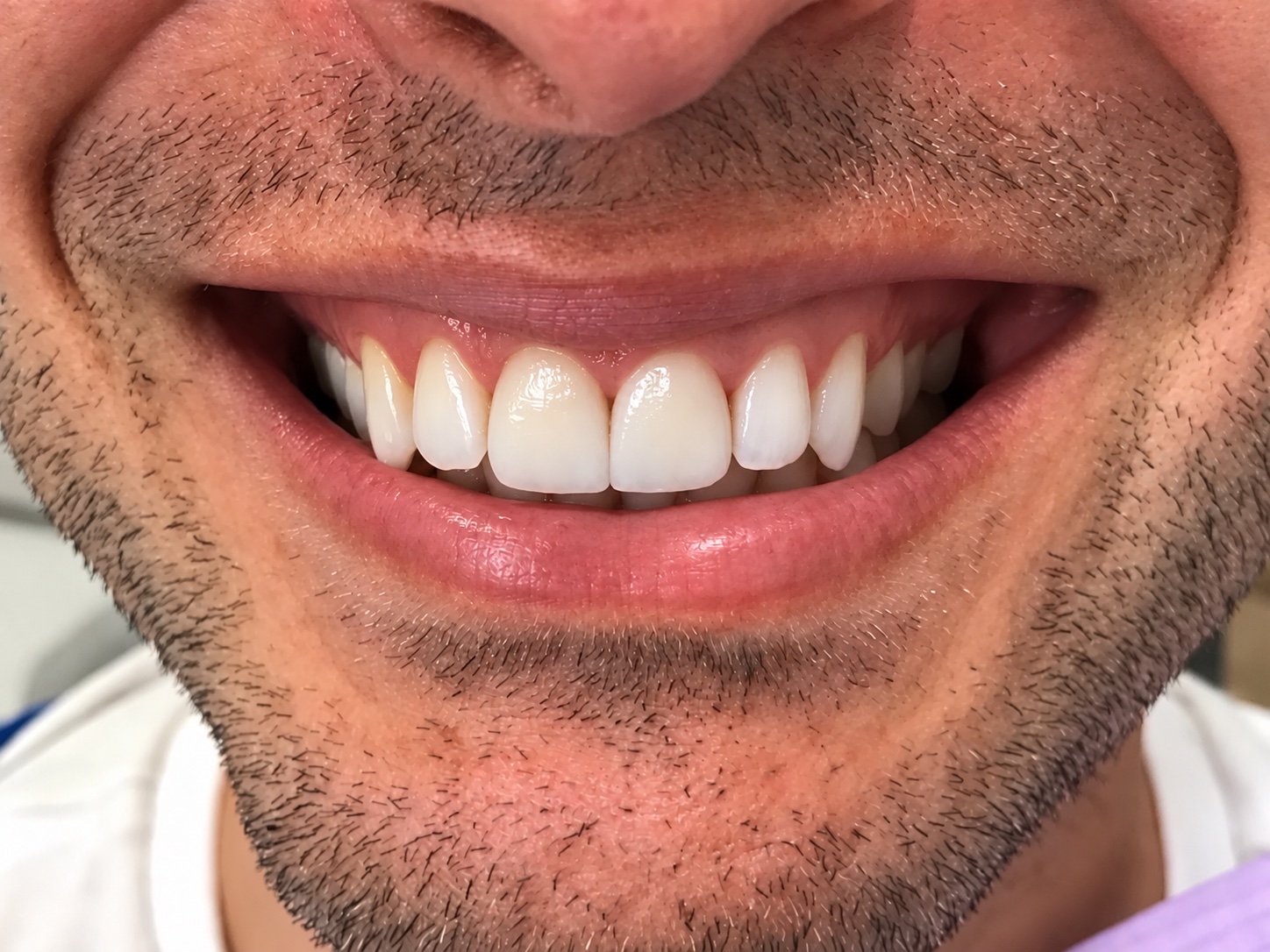
Stop Destroying Your Smile While You Sleep, Treat TMJ Disorder Now!
Nightguards protect teeth temporarily, but they do not fix why you are clenching. Dr. Solomon treats bruxism by correcting the underlying TMJ disorder, jaw misalignment, and occlusal instability that create constant muscular tension. His approach combines functional neuromuscular correction with restorative TMJ dentistry that rebuilds what grinding has already destroyed.
Why Patients Trust Dr. Solomon With Damaged Teeth

Most dentists see cracked molars and recommend crowns. Dr. Solomon sees evidence of a bite and TMJ problem that will continue breaking teeth until the underlying cause is corrected. For 38 years, he has treated thousands of patients whose grinding was not a habit but the body’s response to TMJ instability and jaw misalignment that forces muscles into constant tension.
When the bite does not fit correctly, the nervous system tries to find stability through grinding and clenching. Patients fracture cusps, wear through enamel, and crack restorations because their teeth are compensating for structural TMJ dysfunction every night. Standard nightguards may slow the damage, but they do not address why the jaw muscles cannot relax.
Dr. Solomon uses gnathology and neuromuscular TMJ principles to identify the mechanical issues behind destructive grinding. K7 jaw tracking, EMG muscle analysis, and TENS relaxation reveal which muscles are overworking, how the jaw is misaligned, and where the bite generates destructive forces. Treatment then corrects the jaw position causing the problem rather than simply repairing the damage it creates.
What to Look For
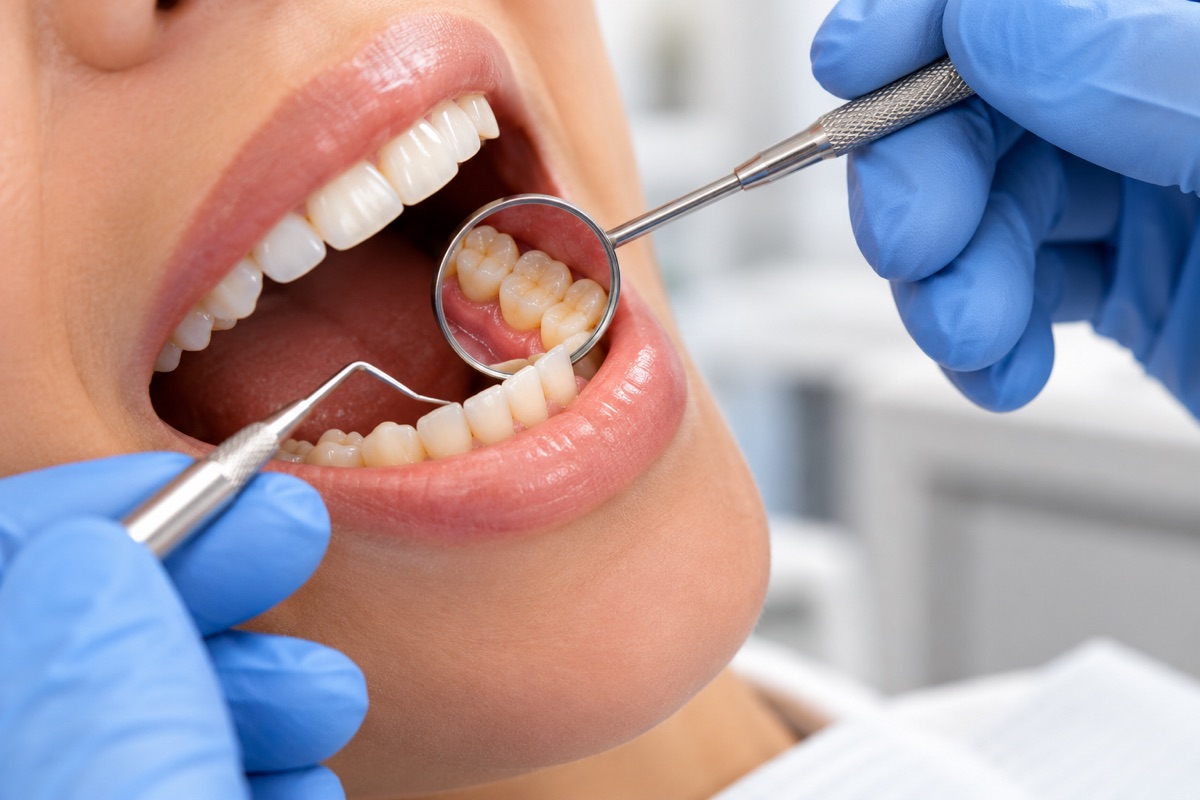
Repeated grinding and clenching from TMJ dysfunction generate forces teeth were never designed to handle. Cusps break off, cracks spread through enamel, and molars can fracture vertically. When the damage extends below the gumline, extraction may become unavoidable.
Years of bruxism caused by an unstable bite or jaw misalignment wear teeth down to nubs. What should be pointed cusps become flat surfaces. Enamel thins until dentin is exposed, increasing sensitivity and leaving teeth more vulnerable to decay and structural breakdown.
Restorations placed in an unstable TMJ bite fail repeatedly. Crowns loosen, fillings fracture, and dental work debonds because destructive jaw forces exceed what restorative materials can tolerate. Without correcting the underlying neuromuscular imbalance and TMJ disorder, the cycle repeats.
Grinding does not only damage teeth. It also traumatizes the supporting tissues. Chronic overloading from TMJ related clenching causes gum recession, bone loss, and tooth mobility when the periodontal structures are pushed beyond their natural limits.
Worn enamel and receding gums expose sensitive dentin and root surfaces. Hot and cold stimuli trigger sharp pain because the protective layers are gone, leaving nerve endings vulnerable and reactive to every temperature change.
Masseter hypertrophy, the enlargement of jaw muscles from constant clenching, often accompanies severe dental wear. The muscle pain mirrors the structural destruction. Both are symptoms of TMJ bite dysfunction forcing the jaw system into destructive overdrive.
How Dr. Solomon Stops Damage and Restores Function
Neuromuscular bite correction removes the mechanical cause of grinding while cosmetic and restorative procedures rebuild damaged tooth structure. Treatment integrates functional stability with aesthetic reconstruction, protecting your investment through proper alignment.
Get perfect treatment and long-lasting relief
What to Look For
Our Diagnostic and Reconstruction Process
Comprehensive Damage Assessment
A full clinical examination documents every fracture, wear pattern, and compromised tooth created by TMJ related bruxism. J5 and K7 neuromuscular diagnostics identify the TMJ bite dysfunction causing the destruction. These tests show which teeth are absorbing excessive occlusal forces and why the temporomandibular joint cannot stabilize during sleep or daily function.
Neuromuscular Bite Analysis
Computerized jaw tracking maps how your bite generates destructive grinding forces. TENS muscle relaxation allows us to measure your jaw’s true optimal TMJ position without muscle guarding. This establishes the physiologic alignment required for stable occlusion, reduced muscle tension, and predictable reconstruction.
Custom Orthotic Therapy
A precision neuromuscular orthotic repositions your jaw to eliminate the triggers that cause clenching and grinding. As the TMJ muscles relax into corrected alignment, bruxism typically decreases significantly. This protects your teeth from further damage while treatment progresses and provides a stable reference for long term TMJ correction.
Restorative and Cosmetic Reconstruction
Once the bite stabilizes in its corrected TMJ position, we rebuild damaged teeth using crowns, veneers, onlays, or implants. Every restoration is designed for your new neuromuscularly balanced occlusion. This ensures proper function, long term stability, and durability without the destructive forces that broke previous dental work.
Long Term Protection Strategy
Permanent bite correction through comprehensive restorative reconstruction or continued nighttime orthotic use maintains the jaw position that stopped the grinding. Ongoing TMJ monitoring identifies early signs of relapse so alignment, muscle function, and bite balance remain stable. This preserves comfort, function, and long term aesthetics.
Post-Treatment Care and Maintenance
Grinding decreases as neuromuscular orthotic therapy retrains the jaw muscles and restores proper TMJ alignment. Complete reconstruction begins only after the bite stabilizes, ensuring all restorations are placed in positions that will not cause future damage or trigger TMJ related bruxism again.

Monthly refinements during the stabilization phase allow TMJ muscles to adapt gradually to the corrected jaw position. These adjustments maintain alignment that eliminates grinding while preventing new compensation patterns from forming. Consistent neuromuscular monitoring ensures the temporomandibular joint remains stable as the jaw adapts.
Strategic sequencing of crowns, veneers, or implants is based on which teeth require immediate structural protection and which can wait until the bite fully stabilizes. This planning supports long term success by rebuilding the teeth only after TMJ alignment, muscle balance, and occlusal stability are fully corrected.
Periodic bite evaluations after reconstruction verify that TMJ stability is holding. Any shift in jaw position is caught early before it damages new restorations or triggers a return of bruxism symptoms. Regular follow up helps ensure that the neuromuscular corrections remain consistent over time.
Patients receive clear guidance on recognizing early TMJ grinding signs, maintaining orthotic appliances, and protecting their restorations through proper function. Daily habits are reviewed to avoid behaviors that strain the corrected TMJ bite or overload the jaw muscles.
Don't Just Manage Teeth Pain, End It Now
Continuing to repair fractured or worn teeth without addressing your TMJ bite dysfunction leads to repeated failures. Dr. Solomon’s neuromuscular approach stops damage at its source while restoring what grinding and clenching have already compromised.
Why This Treatment Works Long Term
Dr. Solomon does not just fix broken teeth. He determines why they broke in the first place. When patients arrive with a third crown failure or another fractured molar, the problem is not the dentistry. The real issue is that their TMJ bite is generating forces no restoration can withstand. Lasting dental work cannot succeed on an unstable neuromuscular foundation.
Bruxism is not a habit patients can consciously stop. It is a neuromuscular response to a jaw position that feels unstable to the nervous system. The TMJ muscles attempt to grind the teeth into better contact, creating destruction in the process. Standard nightguards absorb some force, but they do not correct the dysfunctional jaw position that keeps triggering the bruxism.
Using K7 neuromuscular diagnostics, Dr. Solomon identifies exactly where the bite creates tension and imbalance that drive grinding. The jaw is then repositioned to remove those neuromuscular triggers. Most patients stop grinding once their jaw sits correctly, not because they try to stop, but because the nervous system no longer needs to search for stability through clenching.
Only after the bite stabilizes does Dr. Solomon reconstruct damaged teeth. This ensures every crown, veneer, onlay, or implant is placed in a position that functions correctly within the corrected neuromuscular TMJ bite. The restorations last because they are no longer fighting destructive forces generated by misalignment or muscle overactivity.
What to Look For
Questions Patients Ask About Dental Damage
Most worn or fractured teeth can be fully restored with crowns, veneers, or implants once the TMJ bite is corrected. Severely damaged teeth may require extraction, but proper jaw alignment prevents adjacent teeth from experiencing the same destructive forces created by TMJ related bruxism. Correcting the bite first ensures that new restorations remain stable and protected.
Correcting jaw misalignment removes the neuromuscular tension that drives bruxism in most patients. While occasional grinding may occur during periods of stress, intensity decreases dramatically once TMJ dysfunction is resolved through neuromuscular orthotic therapy. When the jaw is supported in its optimal position, the nervous system no longer tries to find stability through clenching.
The timeline depends on the severity of damage and how many teeth require restoration. Most full mouth TMJ guided reconstructions take 3 to 6 months after the bite stabilizes. This ensures that all crowns, veneers, or implants are placed in positions that support long term function and neuromuscular stability.
Veneers do not last in unstable TMJ bites. Bite correction must come first, followed by orthotic stabilization. Once grinding stops and the jaw position is stable, veneers placed within the corrected neuromuscular bite typically last without chipping, wear, or debonding.
Botox temporarily weakens overactive jaw muscles but does not correct the underlying TMJ bite dysfunction, causing tension. When combined with neuromuscular therapy, Botox can reduce grinding intensity while orthotic treatment addresses the structural problem driving the bruxism. Long term improvement requires correcting the bite rather than relying on muscle weakening alone.
Read Reviews From Our Satisfied Patients
I cracked two molars in one year. My dentist kept crowning them, but they'd break again. Dr. Solomon explained that my bite was causing the fractures. After he corrected my jaw position, I stopped breaking teeth. The crowns he placed haven't had a single problem since.
My front teeth were worn down from grinding. I was embarrassed to smile. Dr. Solomon fixed why I was grinding first. Now my teeth look normal again, and I'm not destroying them every night. I actually sleep better too.
I'd been through three nightguards and still grinding my teeth flat. Dr. Solomon showed me my bite was completely off. His orthotic stopped most of the grinding within weeks. Once my jaw stabilized, he rebuilt my teeth. Thank you!
Rebuild Your Smile Before More Damage Occurs
Dr. Solomon combines neuromuscular bite correction with advanced restorative dentistry, stopping bruxism while repairing the damage it caused.
Before and After
Drag the handle, or use the arrow keys, to compare.
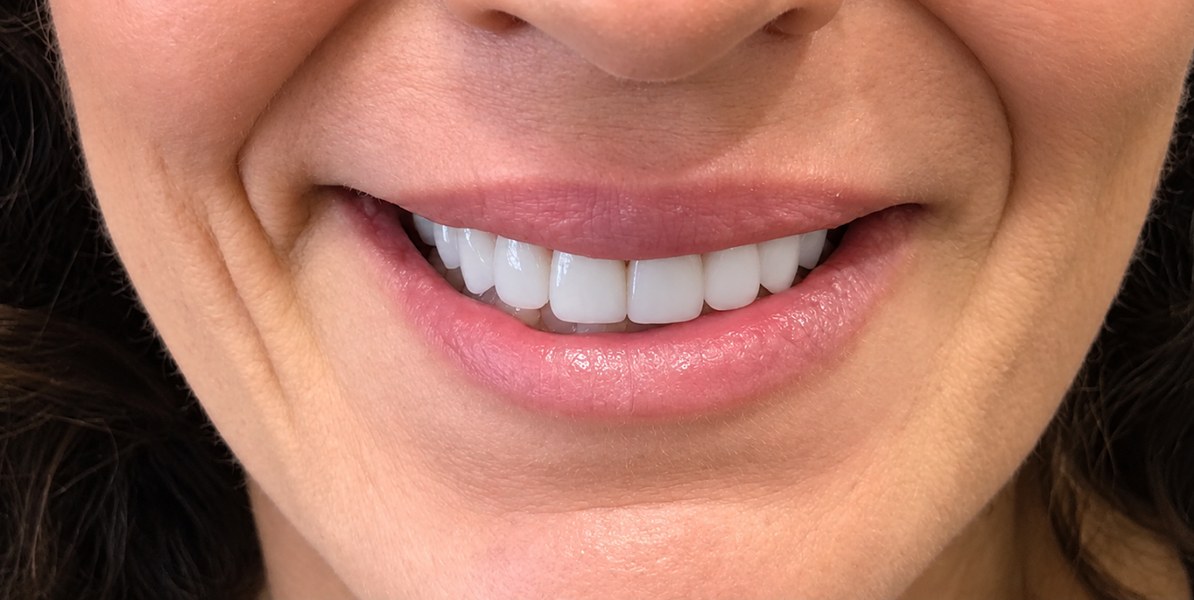
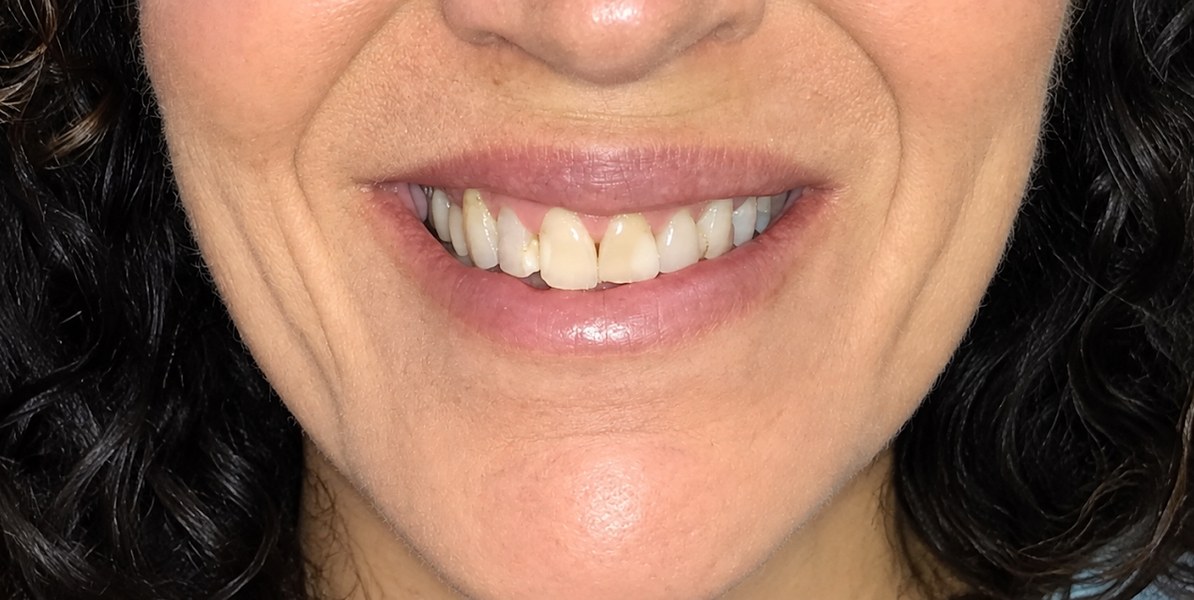
Find Out What Is Actually Causing It.
A proper evaluation is the place to start. Dr. Solomon measures jaw position, muscle activity and bite forces to find the source.