
Other Dental Conditions Treated in Los Angeles
Broken teeth, chipped enamel, missing teeth, discoloration, and uneven wear can affect the appearance, comfort, and function of your smile. While some dental problems develop from injury or natural changes, others may be influenced by grinding, clenching, bite imbalance, or excessive forces on the teeth.
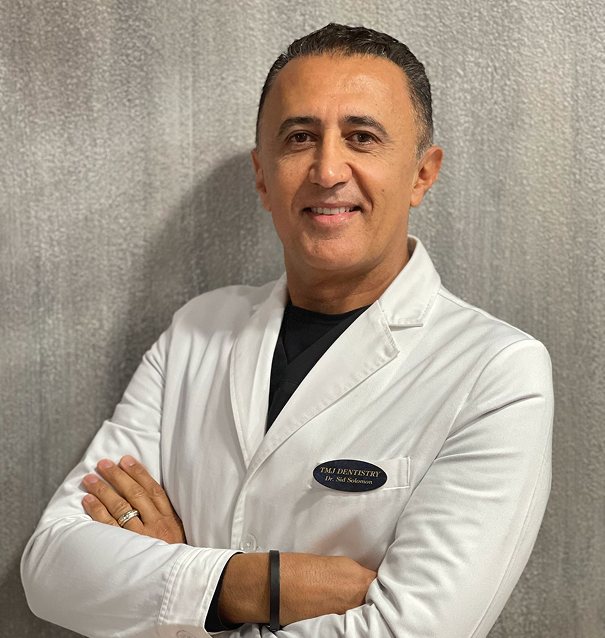
Comprehensive Care for Common Dental Concerns
Dental conditions do not always have a single cause. A broken tooth may result from trauma, decay, a weakened restoration, or repeated grinding. Worn teeth may develop gradually from bruxism or excessive tooth contact. Missing teeth can change how chewing forces are distributed across the remaining teeth.
Dr. Solomon evaluates each concern individually rather than treating every dental problem the same way.
His background in cosmetic dentistry, restorative dentistry, gnathology, and neuromuscular dentistry allows him to consider both appearance and function when planning treatment. When signs of bite dysfunction, bruxism, or TMJ problems are present, those factors can also be evaluated before extensive dental work is completed.
The goal is to restore damaged teeth while creating a smile that looks natural, functions comfortably, and is appropriately supported for long-term oral health.
Other Dental Conditions We Treat
Teeth can break because of accidents, decay, weakened enamel, large fillings, biting hard foods, or excessive pressure from clenching and grinding. Treatment depends on the extent of the fracture and how much healthy tooth structure remains.
Dr. Solomon evaluates the damaged tooth as well as the forces affecting it to determine whether restorative treatment alone is appropriate or whether additional bite evaluation may be beneficial.
Even a small chip can affect the shape and symmetry of your smile. Chipping may occur after trauma or from repeated contact between teeth.
Depending on the location and severity of the damage, cosmetic bonding, veneers, or restorative treatment may be used to rebuild the tooth and restore its natural appearance.
Crooked, crowded, or uneven teeth can affect smile aesthetics and the way teeth contact during chewing. Certain teeth may receive greater pressure than others depending on their position within the bite.
Treatment is planned around tooth alignment, bite relationships, oral health, and the patient’s cosmetic goals to create a more balanced smile.
Missing teeth can affect chewing, appearance, and the stability of surrounding teeth. Neighboring teeth may gradually shift into the open space, while remaining teeth can begin carrying additional biting forces.
Dental implants and restorative dentistry can replace missing teeth and help restore function, stability, and natural-looking smile proportions.
Dental discoloration can develop from foods and beverages, aging, tobacco use, medications, previous trauma, or changes within the tooth itself.
Because different types of stains respond to different treatments, Dr. Solomon identifies the source of discoloration before recommending cosmetic treatment such as whitening, veneers, or another restorative solution.
Grinding, clenching, dietary acids, and repeated tooth contact can gradually wear away enamel. Teeth may become shorter, flatter, sensitive, or visibly aged as tooth structure is lost.
When significant wear is present, Dr. Solomon evaluates both the damaged teeth and potential contributing factors. Restoring worn teeth without understanding why the wear developed may leave new dental work exposed to the same forces.
A gummy smile occurs when more gum tissue is visible during smiling than a patient would prefer. Tooth proportions, gum anatomy, lip movement, and tooth position can all influence how much gum tissue appears.
Dr. Solomon evaluates the relationship between the teeth, gums, and overall smile before recommending an individualized cosmetic approach.
When Dental Damage May Be Related to Your Bite
Not every chipped, broken, or worn tooth is caused by TMJ dysfunction or an abnormal bite. However, repeated patterns of dental damage can sometimes indicate that excessive forces are affecting the teeth.
Signs that may warrant further evaluation include:
When these patterns are present, Dr. Solomon can evaluate the relationship between the teeth, bite, muscles, and jaw function to determine whether a functional problem may be contributing.
What to Look For
How Dr. Solomon Evaluates Dental Conditions
Comprehensive Dental Examination
Dr. Solomon begins by examining the affected teeth, existing restorations, wear patterns, tooth structure, sensitivity, and surrounding tissues. This helps determine the severity of the condition and the immediate treatment needs.
Bite and Jaw Assessment
The way the upper and lower teeth meet can influence how pressure is distributed during chewing and jaw movement. Bite relationships are evaluated when signs of excessive force, grinding, repeated damage, or functional problems are present.
Advanced Functional Diagnostics
For patients with complex bite or TMJ concerns, additional neuromuscular diagnostics may be appropriate. Dr. Solomon’s experience in gnathology and neuromuscular dentistry allows him to evaluate jaw movement, muscle activity, and bite function when these factors may be contributing to dental problems.
Personalized Treatment Planning
Once the condition and contributing factors are understood, treatment is selected according to the patient’s dental health, functional needs, and aesthetic goals. Rather than simply repairing visible damage, the treatment plan considers how the restored teeth will function within the patient’s overall bite.
Treatment Options for Other Dental Conditions
Dr. Solomon combines cosmetic, restorative, and functional dentistry to address a wide range of dental concerns.
Depending on your diagnosis, treatment may include:
Cosmetic Dentistry
Improves the shape, color, proportions, and overall appearance of the teeth.
Dental Veneers
Can improve selected chipped, stained, uneven, or aesthetically compromised teeth when veneers are clinically appropriate.
Dental Implants
Replace missing or non-restorable teeth while restoring function and natural smile appearance.
Smile Makeover
Combines cosmetic procedures to address multiple aesthetic concerns within a coordinated treatment plan.
Full Mouth Reconstruction
Rebuilds multiple damaged, worn, or missing teeth when comprehensive restorative treatment is required.
TMJ and Bite Treatment
May be incorporated when bite dysfunction, bruxism, muscle activity, or jaw problems are contributing to repeated dental damage.
Why Patients Choose Dr. Sid Solomon
Dental problems can become more complicated when appearance, tooth damage, bite function, and jaw health overlap.
With decades of experience in cosmetic dentistry, restorative dentistry, gnathology, and neuromuscular dentistry, Dr. Sid Solomon approaches complex dental conditions by looking at how the entire dental system functions together.
For patients with repeated fractures, worn teeth, missing teeth, extensive previous dental work, or cosmetic concerns complicated by grinding or bite problems, this comprehensive perspective can help identify factors that may otherwise be overlooked.
At Time To Smile in Los Angeles, treatment is designed around three important questions:
What is happening to the teeth?
Why is it happening?
What treatment can restore the smile while supporting healthy function?
Understanding those answers allows Dr. Solomon to develop an individualized plan rather than treating only the visible symptom.
Restore the Health, Function, and Appearance of Your Smile
Dental damage can progress when the underlying problem is left untreated. Early evaluation can help determine whether a broken, chipped, worn, missing, stained, or uneven tooth requires cosmetic treatment, restorative care, or additional evaluation of the bite.
Dr. Solomon combines advanced dental evaluation with cosmetic and restorative treatment to help patients improve their smiles while protecting long-term dental function.
Frequently Asked Questions
Find the Right Treatment for Your Dental Condition
Whether you are concerned about broken teeth, chipped enamel, missing teeth, discoloration, uneven teeth, or dental wear, understanding the cause is the first step toward choosing the right treatment.