
TMJ Treatments That Address Why You Hurt, Not Just Symptoms
Dr. Sid Solomon uses several distinct, tried-and-tested approaches to TMJ treatment in Los Angeles, selected according to each patient’s joints, muscles, bite, symptoms, and individual needs. TMJ pain is real and TMJ relief is a choice. Choose Dr. Solomon!
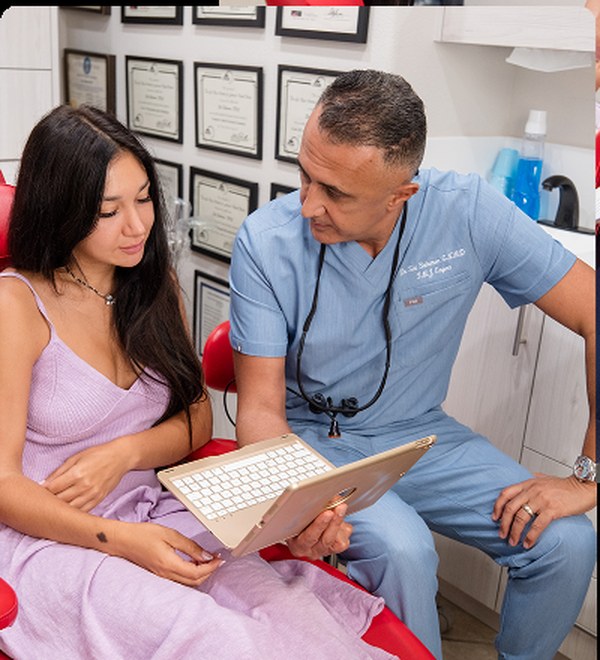
The Types of TMJ Treatment Dr. Solomon Provides
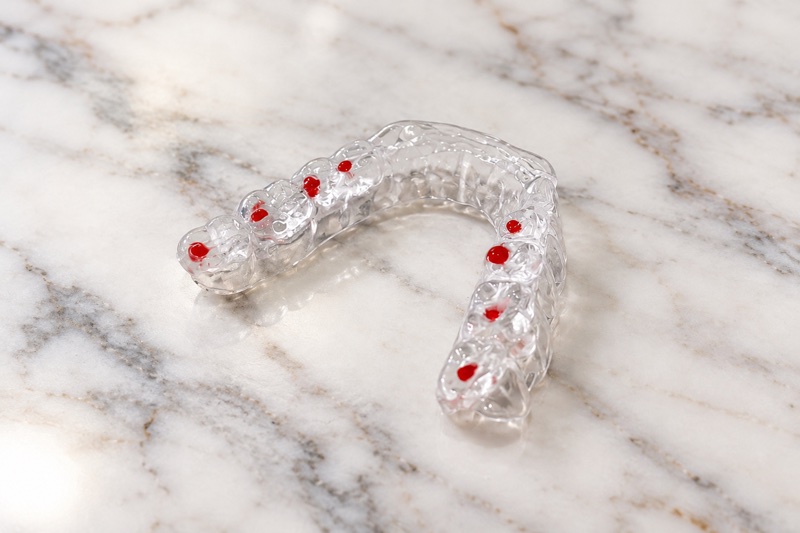
No two TMJ patients are exactly alike. Dr. Sid Solomon provides personalized TMJ treatment in Los Angeles, addressing jaw pain, muscle tension, bite misalignment, and temporomandibular joint dysfunction.
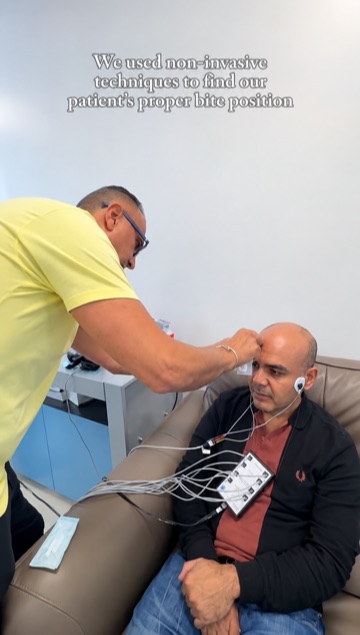
Using advanced Gnathological Neuromuscular (GNM) diagnostics, he evaluates each patient’s jaw function, muscle activity, and bite relationship to determine the most appropriate treatment approach.
Depending on the patient’s needs, treatment may include GNM orthotic therapy, Orthopedic Invisalign, restorative dentistry, therapeutic Botox, laser therapy, or collaboration with other specialists.
Personalized TMJ Treatment
Every treatment plan is developed around the patient’s symptoms, jaw function, bite relationship, and diagnostic findings.
Advanced GNM Orthotic Therapy
Custom orthotics help establish a more comfortable, physiologic jaw position while reducing strain on the surrounding muscles and joints.
Functional Bite Correction
For qualifying patients, Orthopedic Invisalign or restorative dentistry may help maintain the improved bite position established during orthotic therapy.
Comprehensive TMJ Care
Additional treatments, including therapeutic Botox, laser therapy, and coordinated physical therapy, may help manage discomfort and support recovery.
TMJ Treatment Options
Dr. Solomon offers several approaches to treating TMJ disorders, depending on the underlying cause of the patient’s symptoms. Some patients benefit from a single treatment, while others require a combination of therapies to achieve improved jaw function and long-term stability.
For many patients, TMJ treatment begins with a custom GNM orthotic designed to support the jaw in a more comfortable and physiologic position.
Using advanced neuromuscular diagnostics, Dr. Solomon evaluates jaw movement, muscle activity, joint function, and bite alignment before determining the appropriate jaw position.
The orthotic is custom-fabricated and adjusted throughout treatment to help reduce muscle strain, improve bite balance, and support healthier jaw function.
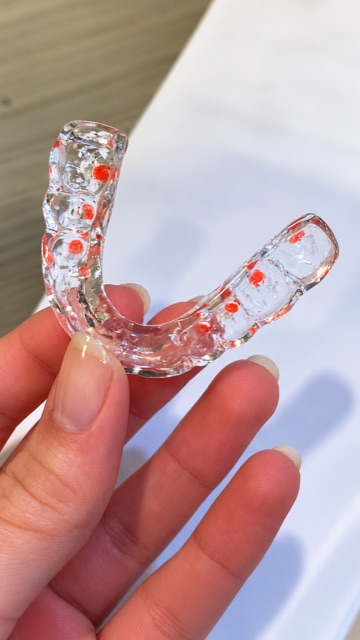
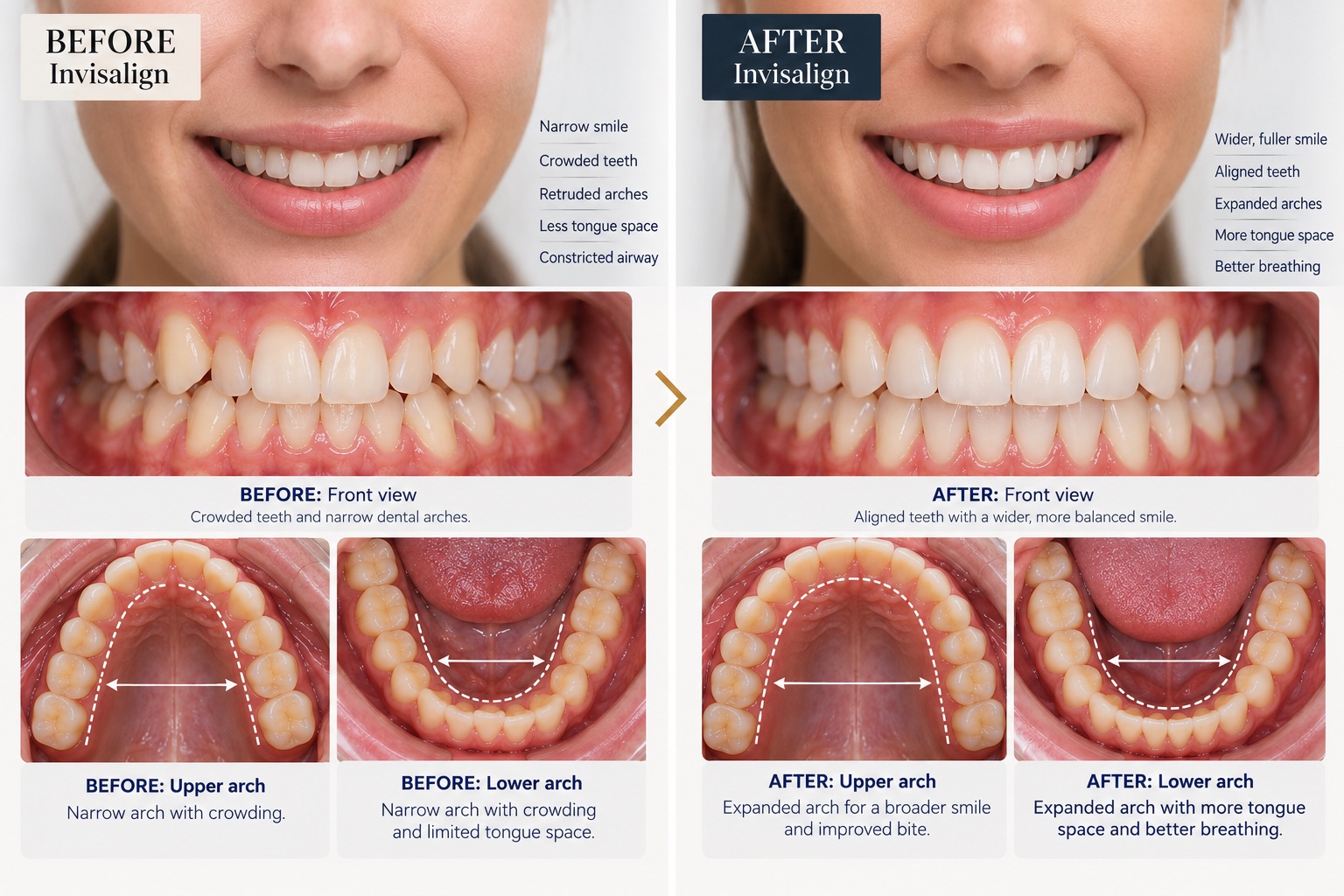
Once a stable jaw position has been established through orthotic therapy, certain patients may qualify for Orthopedic Invisalign treatment.
Unlike traditional Invisalign, which primarily focuses on straightening teeth, Orthopedic Invisalign aims to move the teeth into the improved bite relationship established during Phase 1.
This approach focuses on function, bite stability, and proper distribution of chewing forces.
Not every patient requires Phase 2 treatment. Some patients may continue wearing their orthotic at night, depending on their individual needs and treatment response.
For patients with severely worn, damaged, or improperly positioned teeth, Dr. Solomon may recommend restorative bite reconstruction using crowns, veneers, or onlays.
These restorations are carefully designed around the stable jaw position established during GNM treatment, helping restore proper tooth contact, bite support, and long-term function.
Dr. Solomon can perform restorative treatment in his office with an experienced master ceramist or collaborate with the patient’s existing dentist to ensure the final restorations support the established bite.
The goal is to restore both comfortable jaw function and a beautiful, natural-looking smile.
For patients experiencing excessive jaw clenching, teeth grinding, or muscle tension, therapeutic Botox injections may help relieve discomfort.
Dr. Solomon carefully targets overactive jaw muscles, including the masseter and temporalis, to help reduce excessive muscle activity while preserving natural jaw function.
Botox is generally used alongside other TMJ treatments rather than as a stand-alone solution.
Dr. Solomon may recommend non-invasive laser therapy to help manage inflammation, jaw muscle soreness, and localized TMJ discomfort.
Laser therapy may complement GNM orthotic treatment or other therapies to support patient comfort throughout the treatment process.
TMJ disorders can sometimes involve contributing factors beyond the jaw, including neck tension, posture, and muscle imbalances.
When appropriate, Dr. Solomon collaborates with experienced physical therapists or upper cervical chiropractors to address these contributing factors.
This coordinated approach supports comprehensive care while Dr. Solomon focuses on correcting jaw function and bite-related problems.
How Dr. Solomon Treats TMJ Disorders
Successful TMJ treatment begins with understanding the underlying cause of the patient’s discomfort rather than simply treating individual symptoms.
With more than 38 years of experience in neuromuscular dentistry, Dr. Sid Solomon develops individualized treatment plans designed to improve jaw function, reduce muscle strain, and establish a more stable bite.
Comprehensive TMJ Evaluation
Dr. Solomon begins by evaluating the patient’s symptoms, jaw movement, muscle activity, joint function, and bite relationship using advanced GNM diagnostic technology. This helps identify potential sources of jaw pain, headaches, muscle tension, and bite dysfunction.
Establishing a Stable Jaw Position
For many patients, treatment begins with a custom GNM orthotic designed to support the jaw in a more physiologic position. The orthotic is carefully adjusted throughout treatment as Dr. Solomon evaluates the patient’s comfort, muscle response, and bite stability.
Determining the Next Phase of Treatment
Once a stable jaw position has been established, Dr. Solomon evaluates whether additional treatment is necessary. Some patients may continue wearing their orthotic at night, while others may benefit from Orthopedic Invisalign or restorative bite reconstruction to maintain the established bite relationship.
Supporting Long-Term Jaw Function
Depending on the patient’s needs, additional therapies such as therapeutic Botox, laser treatment, or coordinated physical therapy may be recommended. The objective is to support comfortable jaw movement, balanced bite function, and long-term stability through a personalized treatment plan.
More Than One Way to Treat TMJ
Personalized TMJ Treatment in Los Angeles
There is no single treatment that works for every TMJ patient.
Dr. Sid Solomon combines advanced GNM diagnostics with personalized treatment options to address the underlying causes of jaw pain, muscle tension, and bite dysfunction.
Whether treatment involves a custom orthotic, Orthopedic Invisalign, restorative dentistry, or additional supportive therapies, the goal is to improve jaw function and help patients achieve lasting comfort.
Why Patients Travel to Los Angeles for Dr. Solomon's TMJ Care
When neurologists cannot solve your migraine headaches and chiropractors cannot relieve your chronic neck pain, patients often end up at Time To Smile for a TMJ evaluation as their last hope. What they discover is a clinician who has spent nearly four decades studying how TMJ mechanics influence everything from sleep quality to head and neck posture.
Dr. Solomon does not treat TMJ symptoms in isolation. He traces them back to their true origin by analyzing muscle tension patterns, TMJ disc position, and bite dysfunction using technology that measures what your jaw is actually doing during movement. His patients include individuals who have tried every night guard, every physical therapist, every medication, and every injection yet still could not eat without jaw pain or sleep through the night because of unresolved TMJ disorder.
, Dr. Sid Solomon, Gnathology & Neuromuscular Specialist, Los Angeles
What TMJD Actually Does
TMJ disorders change how your jaw functions long before the pain becomes obvious. Small shifts in TMJ joint motion, TMJ muscle strain, and bite mechanics force you to adapt without realizing it. You chew on one side, avoid wide openings, and tense nearby muscles just to get through the day. Over time, these compensations spill into other areas including your head, neck, shoulders, and even your sleep quality. Many patients spend years treating symptoms that seem unrelated, unaware that the temporomandibular joint is driving everything.
When the joint cannot glide smoothly or the TMJ muscles stay overworked, the entire system becomes unstable. That instability shows up as TMJ headaches, limited jaw opening, grinding and clenching, bite changes, ear symptoms, and chronic tension that no medication or massage can resolve because the underlying jaw misalignment remains uncorrected.
The 5-Step Treatment Process Explained
Diagnostic Mapping
K7 neuromuscular tracking shows exactly how your jaw moves under strain. It identifies overactive TMJ muscles, abnormal joint paths, and the ideal position your jaw should occupy. This creates a precise functional map for Dr. Solomon before any TMJ correction begins.
TENS Relaxation
Gentle electrical pulses relax fatigued jaw muscles. Once these muscles release, your true neuromuscular rest position becomes visible. This relaxed baseline often reveals how far your current bite is from healthy TMJ alignment and where the jaw needs to be supported.
Orthotic Fabrication
Your neuromuscular TMJ orthotic is built from exact jaw measurements rather than assumptions. It positions the jaw where muscles work without strain. The device acts as a corrective guide, stabilizing movement and restoring the balanced function your bite has been missing.
Stabilization Phase
Wearing the orthotic allows your jaw, muscles, and nerve patterns to recalibrate. As the body adapts to the corrected position, tension decreases and mobility improves. Many patients notice measurable TMJ relief during this phase as the system settles into balance.
Permanent Correction
Once stability is consistent, Dr. Solomon reviews long-term TMJ treatment options to maintain your corrected bite. Depending on your case, orthodontics, selective restorations, or ongoing orthotic support may be recommended to preserve comfort, protect the TMJ joints, and prevent symptoms from returning.
Ready to Understand What's Causing Your Pain?
Dr. Solomon's diagnostic process identifies what other dentists often overlook. Book a consultation to see what precision TMJ treatment can do for chronic jaw dysfunction.
Why Dr. Solomon's Approach Works When Others Fail
Most TMJ treatment follows a trial and error model where patients try a night guard or splint, wait to see if it helps, and get blind adjustments when it doesn’t. Dr. Sid Solomon’s TMJ practice is built on something very different: objective measurement of what your jaw is actually doing wrong, followed by precise TMJ correction based on that data.
His 38 years of clinical experience in gnathology and neuromuscular TMJ dentistry mean he treats cases other clinicians do not know how to approach. This includes patients with deteriorating TMJ joints, individuals with multiple failed treatments, and people who were told they need surgery when what they actually need is an accurate TMJ diagnosis supported by neuromuscular data.
Dr. Sid Solomon, TMJ and Neuromuscular Dentistry Expert
Examples of TMJ Cases Dr. Solomon Treats
1. A patient with daily temple headaches and jaw fatigue
Patients often arrive describing tight temples, heavy cheeks, and a jaw that feels tired by midday. Dr. Solomon measures their TMJ muscle activity with K7 scans, relaxes the system using TENS, and designs a neuromuscular TMJ orthotic that removes the strain causing their headaches.
2. A patient whose jaw locks during meals
Someone comes in saying their jaw catches or locks every time they open wide to eat. Dr. Solomon tracks their TMJ joint pathway, identifies disc compression or restricted joint motion, and repositions the mandible with a calibrated orthotic that restores smoother, more stable opening.
3. A patient with chronic ear pressure and no ENT answers
Many TMJ patients report months of ear fullness, ringing, or pressure that refuses to clear. After mapping their bite forces and muscle imbalance, Dr. Solomon stabilizes their TMJ position, easing strain on the surrounding structures that mimic ear disease.
4. A patient was misdiagnosed with sinus headaches for years
Some patients spend years with sinus specialists or neurologists before learning the pain originates in the jaw. Dr. Solomon measures TMJ joint placement, identifies bite collapse or misalignment, and uses neuromuscular correction to remove the overload causing these “sinus” flare-ups.
5. A patient was told they need surgery after failed splints
Patients who arrive discouraged after splints that made symptoms worse often learn their TMJ was never measured correctly. Dr. Solomon performs full K7 functional mapping, relaxes the jaw with TENS, and fabricates a custom neuromuscular orthotic that brings the mandible into a balanced, measurable position, often eliminating the need for surgery.
Why Dr. Solomon?
Common Questions About TMJ Treatment
Most patients wearing a neuromuscular orthotic notice symptom improvement within 2-4 weeks as jaw muscles begin releasing tension. Full stabilization typically requires 3-8 months, depending on severity and how long the dysfunction has been present.
Coverage varies by plan. Some insurers consider neuromuscular orthotics a medical necessity for documented TMJ disorder, especially when linked to migraines or sleep issues. Our office helps verify benefits and provides documentation for claims submission.
When migraines stem from jaw muscle tension and trigeminal nerve compression, correcting bite position often reduces or eliminates headaches entirely. Dr. Solomon's patients frequently discontinue migraine medications once their jaw stabilizes in proper alignment.
Night guards protect teeth from grinding but don't reposition the jaw. Neuromuscular orthotics are built from precise measurements of optimal jaw position using K7 technology, actively correcting dysfunction rather than just protecting teeth.
Yes. Patients travel to Los Angeles from across the country for Dr. Solomon's expertise in complex TMJ cases. Treatment can be structured to minimize required visits while maintaining effectiveness through extended follow-up protocols.
What Our Patients Say
Ten years of migraines, four neurologists, and countless medications did nothing for my pain. Then I met Dr. Solomon. He mapped my jaw position and explained that my headaches were coming from muscle compression caused by TMJ dysfunction. Three months in a neuromuscular orthotic, and I have not had a single migraine. I wish I had found him a decade ago.
My jaw locked while I was eating dinner, and I could not open more than half an inch. The emergency room sent me home with muscle relaxers. Dr. Solomon saw me the next day, used TENS therapy, and I left with better mobility than I had experienced in years. The orthotic keeps everything stable now.
I tried physical therapy, massage, and injections, but nothing relieved my jaw pain. Dr. Solomon used K7 scans to show me that my bite was forcing my muscles to overwork constantly. The orthotic felt strange for about a week, and after that, I woke up pain-free for the first time in five years.
Watch a Real Case
One of Dr. Solomon's own patients, in their own words.

Start Your TMJ Treatment with Dr. Solomon
Chronic jaw pain deserves treatment based on what is actually wrong, not trial and error. Schedule your consultation and learn what precision diagnostics can reveal about your TMJ condition.