
Consult with the Best Experienced TMJ Dentist In Los Angeles
Jaw pain that will not quit requires more than a standard dental exam. Dr. Sid Solomon brings 38 years of neuromuscular TMJ training to every case, using K7 and J5 systems to measure what most TMJ dentists overlook: how your jaw muscles, TMJ joints, and bite mechanics work together when dysfunction occurs.
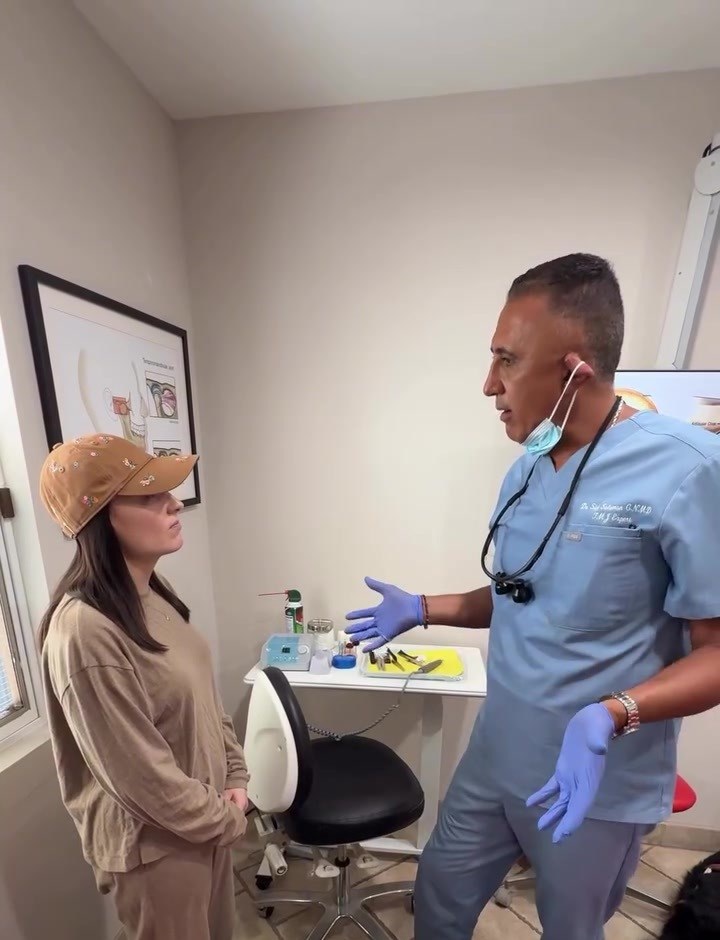
Neuromuscular Dentistry For Lasting TMJ Relief
Most dentists learn basic oral health. Dr. Solomon spent decades studying gnathology, neuromuscular dentistry, and jaw biomechanics because TMJ disorders demand precision instead of guesswork. His practice is built for patients who have tried night guards, pain relievers, or physical therapy without success. When you need a TMJ dentist who measures joint movement in three dimensions and tracks muscle activity with objective neuromuscular technology, that level of detail changes outcomes.
Patients travel from across Southern California because Dr. Solomon's approach is different from a typical TMJ dental visit. He does not rush through appointments or hand out generic appliances. Instead, he spends hours mapping jaw function, reviewing your history, and explaining exactly why your TMJ symptoms continue. That thoroughness, combined with K7 and J5 neuromuscular diagnostics, is why people finally find answers after years of frustration elsewhere.
Dr. Sid Solomon, DDS
Neuromuscular TMJ Dentist, Los Angeles
What makes Dr. Solomon different from other TMJ clinicians?
What to Look For
What a true TMJ Dentist Actually Does
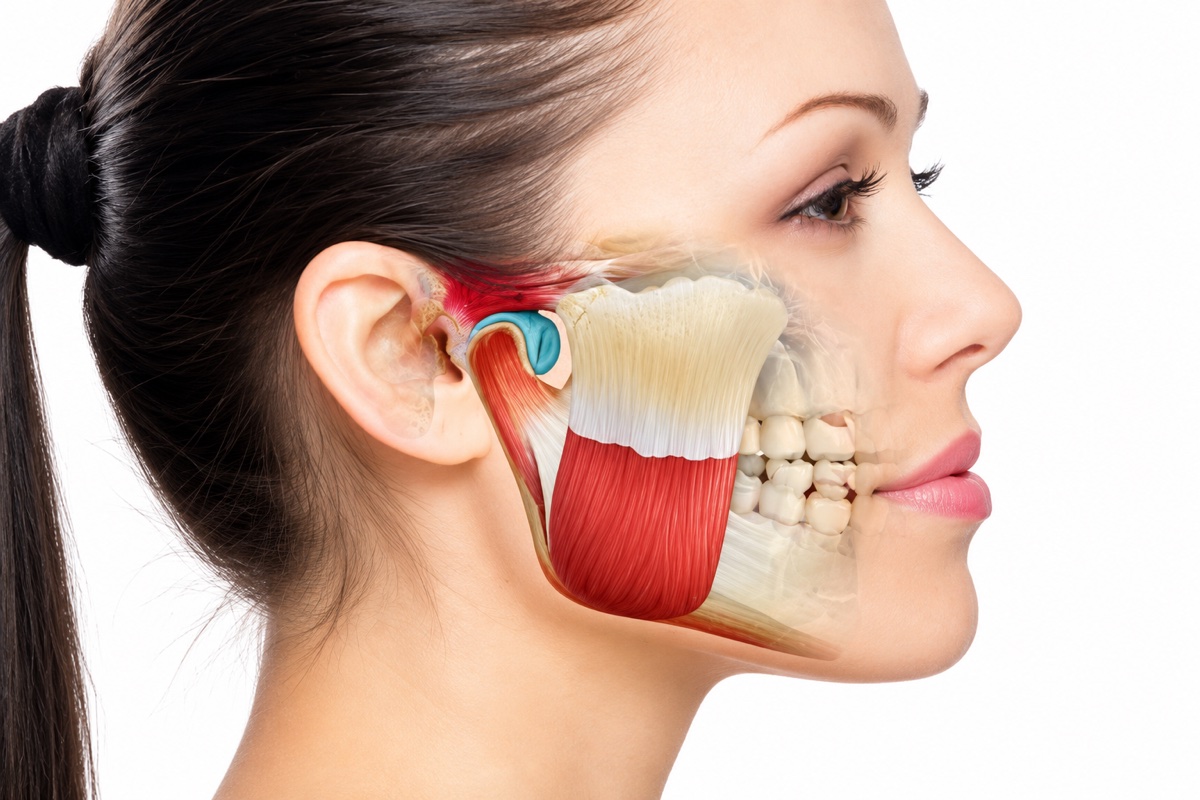
A TMJ dentist focuses on diagnosing and treating temporomandibular joint disorders, conditions in which the jaw joint, surrounding TMJ muscles, or bite alignment create pain, dysfunction, or limited movement. Unlike general dentists who primarily treat teeth and gums, a TMJ dentist studies jaw biomechanics, evaluates how the TMJ moves, identifies where muscles compensate for imbalance, and analyzes what happens when the bite does not distribute force properly. That level of specialization helps identify why TMJ symptoms develop and how to correct the underlying mechanics instead of masking discomfort temporarily.
TMJ treatment often involves fabricating a neuromuscular orthotic to guide your jaw into the correct position while muscles adapt to healthier function. Dr. Solomon monitors progress closely, adjusting the orthotic as tissues remodel and symptoms improve. Long term TMJ care may include permanent bite correction, continued orthotic use, or simple maintenance strategies, all focused on preventing relapse and maintaining pain free jaw function without unnecessary procedures.
Real Patient Cases Studies From Our TMJ Focused Practice
Dr. Solomon sees patients who arrive uncertain about what is wrong, often after specialists in other fields were unable to pinpoint the cause of their symptoms. His neuromuscular diagnostic process reveals which TMJ structures are failing and why, enabling targeted correction rather than trial and error approaches. These cases demonstrate how precise TMJ evaluation leads to relief when conventional dental care falls short.
In Detail
A patient woke up with tight jaw muscles every day for five years. Prior TMJ dentists prescribed night guards that did not help. K7 neuromuscular testing showed severe muscle imbalance caused by a shifted bite. After orthotic therapy repositioned the jaw, morning stiffness resolved within two months.
ENT doctors treated recurring facial pressure as chronic sinusitis, but symptoms never improved. Dr. Solomon's TMJ exam revealed trigeminal nerve irritation caused by TMJ dysfunction. Once the joint was stabilized and muscle strain reduced, facial pain stopped completely.
A patient could not open wide enough to bite a sandwich without pain. Previous TMJ dentists recommended surgery. Dr. Solomon used gradual neuromuscular orthotic adjustments to restore proper TMJ disc movement. After six months of treatment, jaw function returned normally without surgery.
Why Dr. Solomon Is the TMJ Dentist You Can Trust
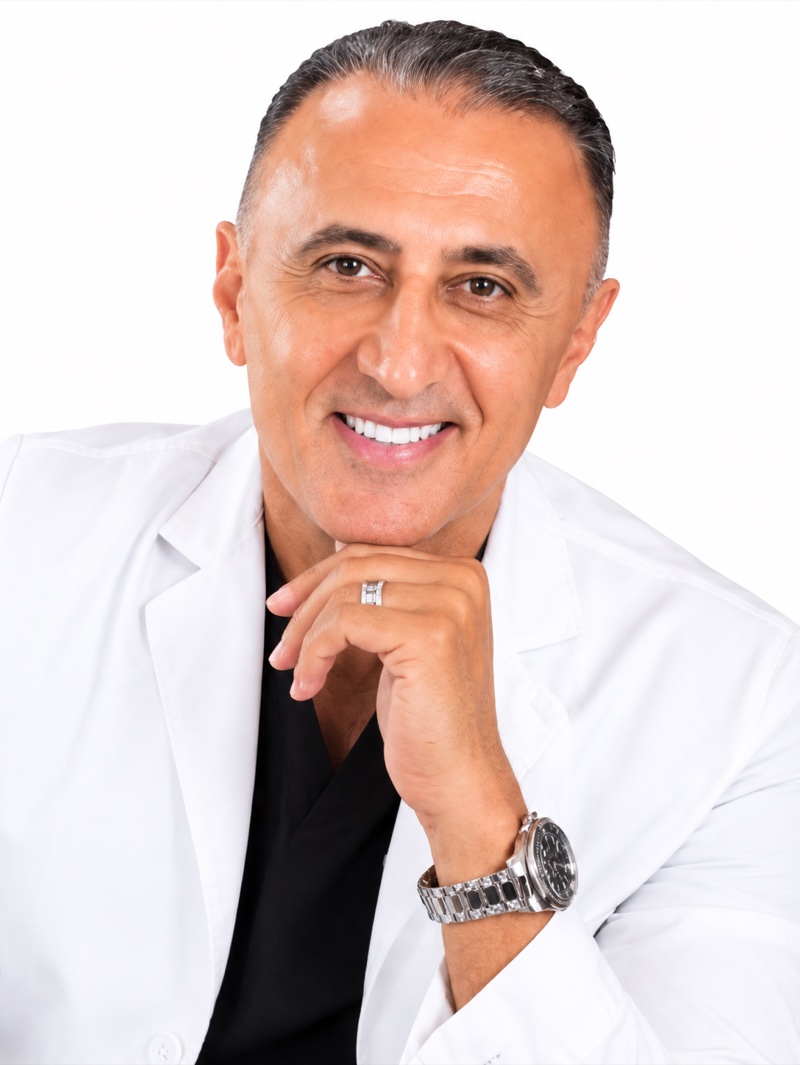
Most dentists treat teeth. Dr. Solomon treats the jaw dysfunction that leads to pain in the teeth, the face, the head, and the neck. He has been doing it for 38 years. His advanced training in gnathology, neuromuscular dentistry, and TMJ biomechanics puts him in a different category from general dentists who dabble in TMJ care. He does not hand out generic night guards and hope they work. Instead, he uses K7 and J5 neuromuscular diagnostics to measure exactly how your jaw moves, where TMJ muscles are failing, and what is causing your pain.
Patients choose Dr. Solomon because he listens without rushing, explains TMJ findings clearly, and builds treatment plans around their specific dysfunction. His approach combines precision with patience because he understands that complex TMJ cases take time to resolve properly. When other TMJ dentists could not figure it out or recommended surgery as the only option, Dr. Solomon provides non-invasive neuromuscular solutions backed by objective data and decades of clinical TMJ experience.
Get Diagnosed by a TMJ Dentist Who Measures Everything
If other dentists guessed at your problem or told you to just relax, you need diagnostics that show what is actually happening inside your TMJ. Dr. Solomon's neuromuscular exam identifies dysfunction with real data, not assumptions, outdated impressions, or trial and error approaches.
Ongoing Support After TMJ Treatment
Correcting jaw dysfunction takes time, and maintaining progress requires consistent follow-up. At Time To Smile, Dr. Solomon tracks your TMJ recovery as the jaw muscles settle, inflammation decreases, and the temporomandibular joint stabilizes in its corrected position. Many patients improve within a few months, while chronic or severe TMJ disorders may need longer to fully resolve because years of muscle strain and joint imbalance take time to unwind.
Continued care prevents TMJ symptoms from returning once you begin to feel better. Regular visits allow Dr. Solomon to monitor muscle activity with neuromuscular diagnostics, and orthotic adjustments keep your bite aligned as tissues adapt to the healthier position. When helpful, Dr. Solomon collaborates with physical therapists, posture specialists, or airway experts to support whole body stability. Long term TMJ maintenance may include wearing a neuromuscular orthotic at night, periodic check ins, or small lifestyle changes that protect your jaw alignment and preserve long lasting results.
Post-treatment care includes
TMJ Dentist Treatment Process
Detailed Neuromuscular Diagnostic Exam
Dr. Solomon uses K7 neuromuscular technology to record jaw movement in three dimensions, TMJ muscle activity patterns, and bite force distribution. This evaluation takes roughly 90 minutes. Most patients say no other TMJ dentist has ever been this thorough. You will see exactly what is happening inside the temporomandibular joint and why symptoms developed.
Review of Findings and Treatment Plan
Once diagnostics are complete, Dr. Solomon reviews all the data with you, including muscle scans, joint sounds, and bite misalignment. You will understand why your TMJ symptoms developed and what needs correction. He outlines a clear TMJ treatment plan tailored to your dysfunction rather than a one-size-fits-all appliance.
Custom Orthotic Fabrication
If an orthotic is needed, it is fabricated to your ideal neuromuscular TMJ position, not just a mold of your current bite. You will wear it consistently at first to allow jaw muscles to release tension and adapt to a healthier alignment. This phase typically lasts weeks to months, depending on the severity of your TMJ disorder.
Ongoing Adjustments and Monitoring
As your muscles respond, Dr. Solomon fine-tunes the orthotic to keep progress steady. You will return for periodic muscle testing and joint assessment with K7 and J5 systems. Some patients feel relief within days, while others require gradual adjustments as the jaw stabilizes and tissues remodel.
Permanent Stabilization
Once your jaw is stable and comfortable, Dr. Solomon determines whether you need permanent bite correction through equilibration, restorative dentistry, or orthodontics, or if nighttime orthotic use is enough to maintain results. The goal is long lasting TMJ relief without dependence on devices indefinitely.
Common Questions About Seeing a TMJ Dentist
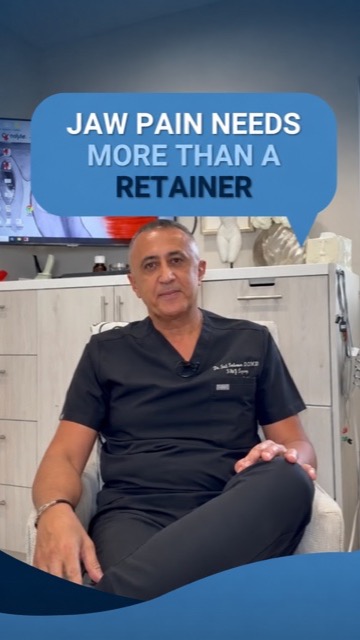
General dentists learn basic TMJ anatomy in dental school, usually over a few lectures. A TMJ dentist like Dr. Solomon has completed extensive post-graduate training in gnathology and neuromuscular dentistry. He uses diagnostic tools like K7 jaw tracking that most dentists never learn to operate. That depth of training matters when cases are complex.
Yes. Clicking often signals early disc displacement. Many TMJ dentists ignore clicking without pain, but it frequently progresses to locking, limited opening, or chronic discomfort. Addressing it early prevents more serious dysfunction down the road.
Dr. Solomon bases that decision on your diagnostic data, jaw tracking, muscle scans, and bite analysis. If your jaw position is causing muscle strain or joint stress, an orthotic repositions it to reduce those forces. Not every patient needs one, but when indicated, it's built precisely to your neuromuscular position.
Standard night guards protect teeth from grinding but don't correct jaw position. Many actually hold a dysfunctional bite in place, which is why symptoms persist. Dr. Solomon's orthotics are different, they guide your jaw to proper alignment while muscles adapt.
Coverage varies by plan and provider. Dr. Solomon's office will verify your benefits and explain costs clearly before starting treatment. Many dental and medical policies cover diagnostics and part of the orthotic therapy, though some patients pay out-of-pocket for comprehensive neuromuscular care.
Hear From Our Satisfied Patients
I went to three different TMJ dentists before Dr. Solomon. All of them gave me a night guard and sent me on my way. Dr. Solomon actually measured everything, my jaw movement, my muscle tension, where my bite was off. Finally, someone who didn't just guess.
Sarah, Los Angeles
My jaw locked on me twice in six months. I couldn't eat normally, couldn't yawn without pain. Previous TMJ dentists said surgery was my only option. Dr. Solomon disagreed. Took time, but his orthotic therapy got my jaw moving again without surgery.
David, Los Angeles
What impressed me most was how much time he spent explaining what was wrong. Every other TMJ dentist I saw rushed through appointments. Dr. Solomon sat with me for over an hour, just going through my scans, showing me exactly why I hurt. That attention made all the difference.
Patricia, Westwood
See a TMJ Dentist Who Measures Before Treating
Stop accepting vague explanations or generic apologies that don't address what's actually wrong. Dr. Solomon's neuromuscular diagnostics give you clear answers backed by objective measurements, not guesswork or outdated methods.
Watch the Explanation
Dr. Solomon on what is actually going on, and what treatment does about it.
Why an upper night guard does not correct TMJ
Find Out What Is Actually Causing It.
A proper evaluation is the place to start. Dr. Solomon measures jaw position, muscle activity and bite forces to find the source.