
Sleep Apnea in Los Angeles
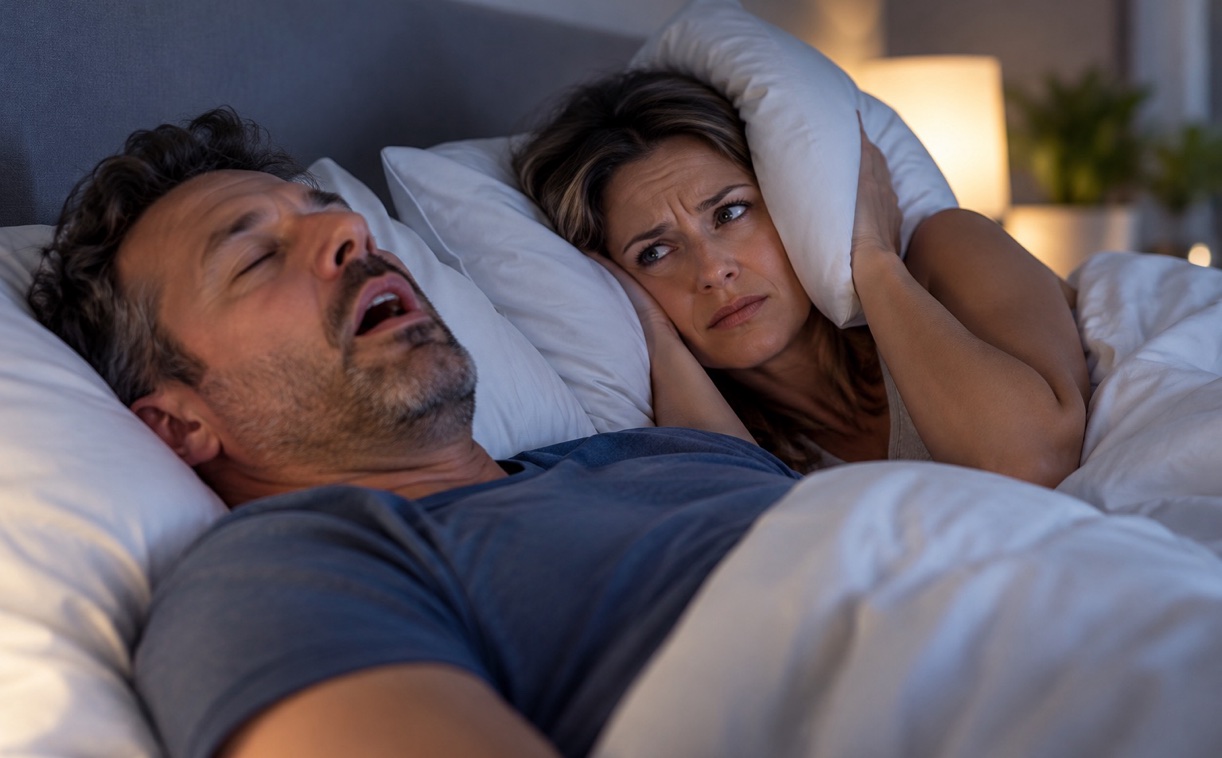
You May Be Sleeping All Night. But Are You Breathing All Night?

You can spend seven or eight hours in bed and still wake up exhausted. Loud snoring, morning headaches, dry mouth, brain fog, or waking up gasping may be signs that your breathing is being interrupted while you sleep.
Obstructive sleep apnea (OSA) is a sleep-related breathing disorder in which the upper airway repeatedly narrows or becomes blocked during sleep. These interruptions can reduce airflow, disturb healthy sleep cycles, and prevent your body from getting the restorative sleep it needs.
If something about your sleep does not feel right, the first step is finding out what is actually happening.
What Happens During Sleep Apnea?
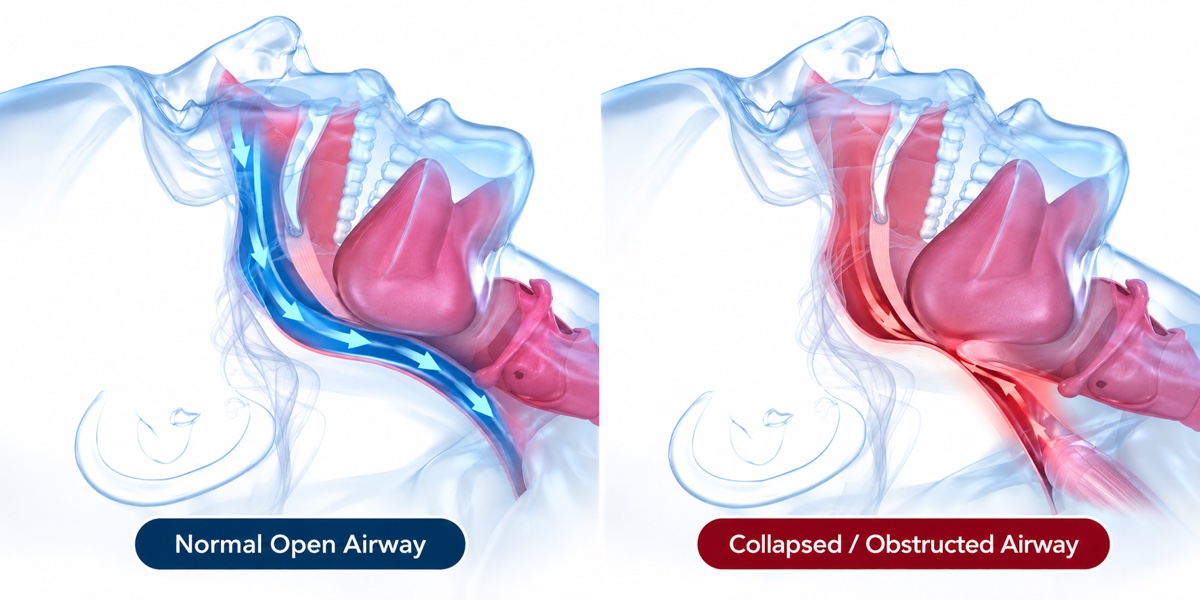
The Airway Relaxes
During sleep, the muscles surrounding the tongue, soft palate, and throat naturally relax.
The Airway Narrows
For some people, the tongue and surrounding soft tissues move backward enough to partially or completely restrict airflow.
Breathing Is Interrupted
As airflow decreases or stops, oxygen levels may fall and the brain briefly arouses the body enough to restore breathing.
The Cycle Repeats
You fall back asleep, often without remembering the interruption. This cycle may happen repeatedly throughout the night.
Sleep Apnea Is More Than Snoring
Snoring may be one of the most recognizable warning signs of obstructive sleep apnea, but the effects can extend far beyond nighttime noise.
Untreated obstructive sleep apnea has been associated with health concerns including cardiovascular problems, high blood pressure, metabolic problems, daytime fatigue, difficulty concentrating, mood changes, and an increased risk of accidents related to excessive sleepiness.
The difficult part is that many patients do not know their breathing is being interrupted because it happens while they are asleep.
Warning Signs to Look For
A partner may notice loud snoring, gasping, choking, or pauses in breathing while you sleep.
Interrupted breathing and mouth breathing may leave you waking with headaches, a dry mouth, or a sore throat.
You may spend enough hours in bed but still feel exhausted, unfocused, or dependent on caffeine to get through the day.
Some patients suddenly wake feeling short of breath or experience repeated snorting or gasping without fully awakening.
Bruxism and jaw tension can occur alongside sleep-disordered breathing and may warrant further evaluation.
Poor-quality sleep may contribute to irritability, difficulty concentrating, memory problems, and changes in daytime performance.
How Is Sleep Apnea Diagnosed?
Review Your Sleep & Symptoms
Your evaluation begins with your sleep history, symptoms, health history, snoring, breathing concerns, and any previous sleep apnea testing.
Determine the Appropriate Sleep Test
Depending on your circumstances, sleep apnea may be evaluated through an attended laboratory sleep study or, for appropriate adults, a Home Sleep Apnea Test.
Measure What Happens While You Sleep
Sleep testing provides objective information about nighttime breathing rather than relying on symptoms or snoring alone.
Review the Results
Your sleep-study information helps determine whether obstructive sleep apnea is present and what the appropriate next step may be.
Home Sleep Apnea Testing
Sleep in Your Own Bed. Measure What Happens While You Sleep.
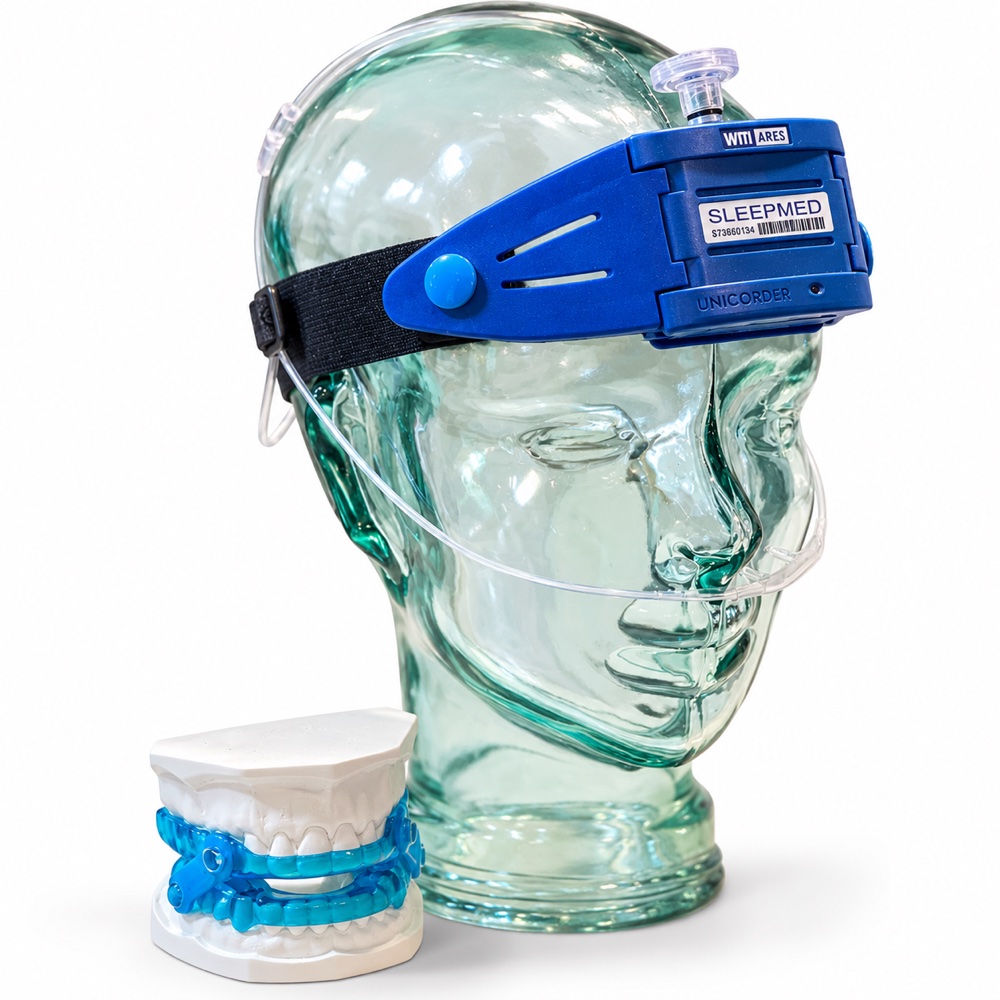
For appropriate adults with suspected obstructive sleep apnea, Time to Smile offers the ARES™ Home Sleep Test by Watermark Medical.
The compact device allows eligible patients to complete sleep testing while sleeping in their normal environment rather than spending the night in a sleep laboratory.
Why Patients Appreciate At-Home Sleep Testing
Frequently Asked Questions
Home sleep apnea testing is appropriate for selected adult patients. Diagnosis and treatment should be based on appropriate clinical evaluation and interpretation of objective sleep-study data. Some patients may require an attended laboratory sleep study or evaluation by a sleep physician.
Real Patient Experiences with Sleep Apnea Treatment
I tried CPAP for three years and never made it through a full night. The mask triggered panic and made my sleep worse. Dr. Solomon’s neuromuscular oral appliance opened my airway without any machine and without creating TMJ strain. My oxygen levels are normal now, and I wake up feeling human again for the first time in a decade.
My husband said I stopped breathing constantly during sleep. I felt exhausted every morning despite getting nine hours in bed. Dr. Solomon explained that my jaw position was collapsing my airway and contributing to TMJ tension. His custom appliance corrected the problem completely. I had no idea how terrible I felt until I finally experienced real sleep.
Our seven-year-old was diagnosed with sleep apnea. Dr. Solomon worked with her ENT and created a plan that avoided surgery. The orthodontic expansion he recommended opened her airway, improved her jaw development, and reduced nighttime TMJ strain. She finally sleeps peacefully, and her behavior and schoolwork improved dramatically once she could breathe properly.
Watch the Explanation
Dr. Solomon on the symptoms of sleep apnea, and what they can mean.
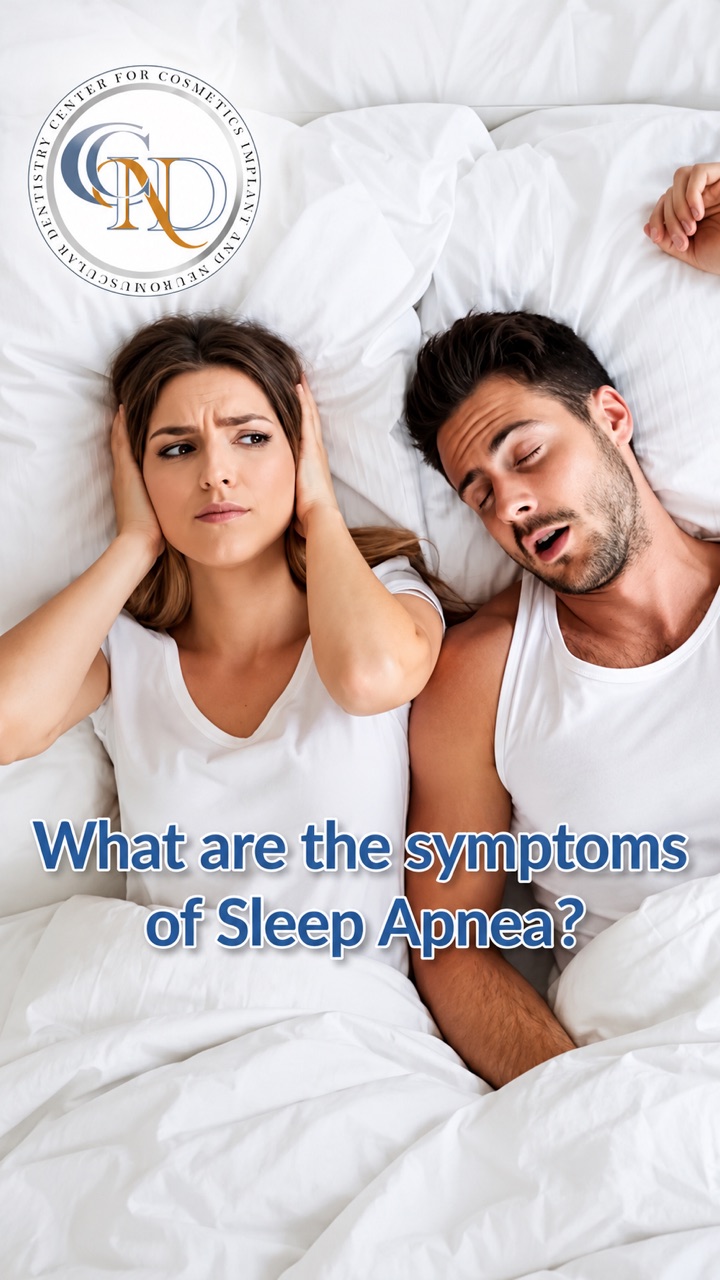
Don’t Guess About Your Sleep
If you snore, wake exhausted, gasp during sleep, experience morning headaches, struggle with daytime sleepiness, or simply feel that something about your sleep is not right, objective testing can provide answers. Don’t guess. Measure it.